
For decades, carburetors were an accepted compromise of classic truck ownership. Today, the carburetor vs fuel injection conversation has moved firmly into the modern era. At Velocity, while we appreciate nostalgia and authenticity, integrating modern crate engines into classic truck restomods delivers what today’s drivers expect — instant starts, consistent performance, and dependable reliability in real-world conditions.
Understanding the difference between carburetors and fuel injection isn’t just about old versus new; it’s about choosing a fuel delivery system that transforms a classic truck from a temperamental weekend toy into a confident, turn-key machine you can drive anywhere. As expectations for drivability, performance, and long-term value continue to rise, electronic fuel injection has become the clear standard for modernized classic trucks, and it is the clear winner in the carburetor vs EFI debate.
How Carburetors Work — and Why They’re so Finicky
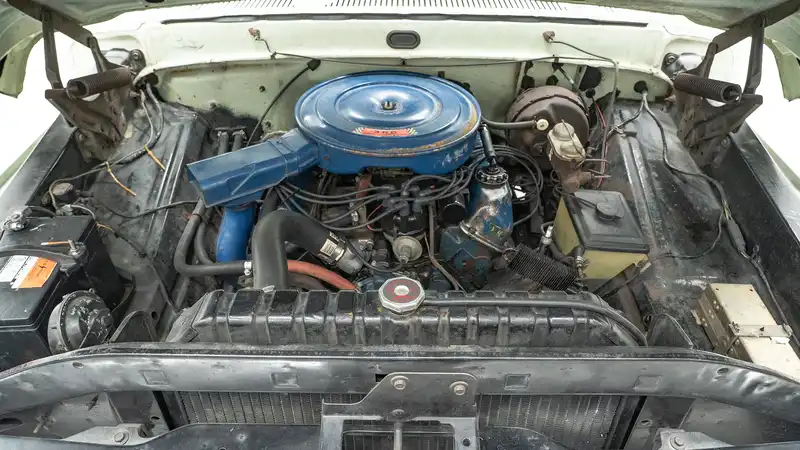 Classic Ford F-350 with a carbureted 360 CID V8. A great engine for an old work truck, but not for a daily driver.
Carburetors rely on jets, floats, needles, and vacuum signals that must remain perfectly calibrated. Even minor changes — temperature swings, elevation changes, or extended storage — can disrupt the air-fuel mixture. In real-world use, this makes carburetors far less forgiving.
Cold starts are a prime example of poor carburetor vs fuel injection reliability. Carbureted engines typically need a choke to restrict airflow and enrich the mixture, which means pumping the throttle, waiting for warm-up, and hoping the engine doesn’t stall. Changes in weather, humidity, or altitude further complicate things, often requiring re-jetting or retuning. In real-world driving, carburetors are prone to flooding, hesitation, rough idle, vapor lock, and inconsistent throttle response — issues that become especially frustrating in traffic or after a truck sits for a few days.
From a buyer’s perspective, these drawbacks weigh heavily in any honest carburetor vs fuel injection advantages and disadvantages comparison. Carburetors can work well in controlled conditions, but they rarely stay perfectly tuned for long, making them less practical for drivers who want to enjoy their classic truck without constant maintenance.
Reliability Myth: “Carburetors are Simpler and Easier to Fix”
A common argument in the carburetor vs fuel injection debate is that carburetors are more reliable because they’re “simpler.” In reality, that simplicity often creates more work over time. Carburetors require regular adjustment, cleaning, and re-tuning to maintain proper performance — especially when a vehicle isn’t driven daily.
Modern EFI systems, by contrast, are designed for long-term consistency. They self-adjust for environmental changes, rarely require manual intervention, and can even self-diagnose issues through onboard diagnostics. Instead of guessing which jet or vacuum circuit is causing a problem, EFI provides clear data and predictable behavior.
For owners who value reliability not just in theory but in real-world ownership — fewer surprises, fewer roadside issues, and more time actually driving — fuel injection delivers far greater long-term dependability.
Fuel Injection Explained: Smarter, Faster, and More Reliable
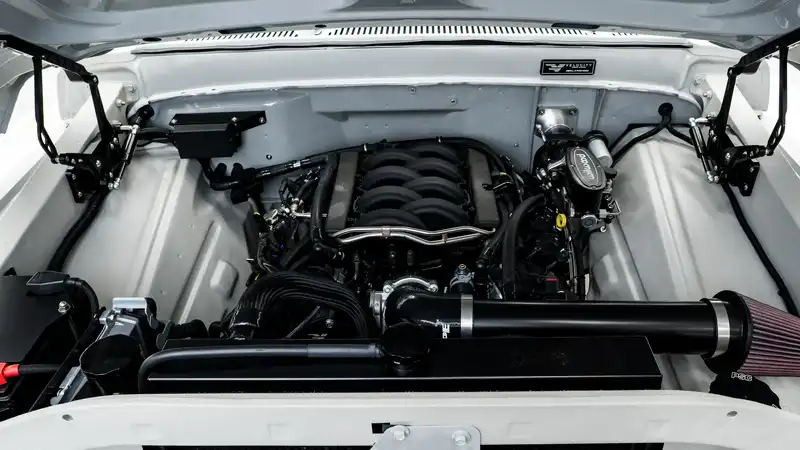 Re-Engineered Classic Ford F-100 with a 5.0L Coyote V8. Modern technology, modern performance, modern reliability.
Historically, EFI began appearing in production vehicles in the late 20th century as manufacturers sought better emissions control, efficiency, and reliability. Today, fuel injection comes in two primary forms: port fuel injection and direct injection. Port injection sprays fuel into the intake port just before the intake valve, providing excellent drivability, smooth idle, and proven durability. Direct injection delivers fuel directly into the combustion chamber at extremely high pressure, improving power output, throttle response, and fuel efficiency.
Regardless of type, EFI excels where carburetors struggle most. Cold starts are instant and drama-free. Altitude changes are automatically compensated for, eliminating the need for manual adjustments. Long-term reliability improves dramatically because EFI systems don’t drift out of tune like carburetors do. When evaluating carburetor vs fuel injection reliability, EFI wins decisively for classic trucks that are meant to be driven regularly.
The Driving Experience That Changes Everything
There’s also the simple, emotional side of driving. Turn the key and the engine fires instantly. No pumping, no hesitation, no smell of raw fuel on cold mornings. Throttle response is crisp, idle is smooth, and highway cruising feels modern and confident.
This is where many owners truly feel the difference between carburetor vs fuel injection. An EFI-powered classic doesn’t feel like a compromise — it feels intentional. That emotional confidence, knowing the truck will start, idle, and drive exactly as expected, is often what convinces buyers they made the right decision.
Which Setup Fits Your Driving Style?
| Driving Use Case | Best Choice |
|---|---|
| Weekend Show Truck | Carburetor acceptable, but requires frequent attention/maintenance |
| Weekend Cruiser | EFI strongly recommended |
| Daily Driver / Road Trips | EFI is essential |
| Collector Investment | EFI commands higher resale and broader demand |
Modern Powertrains Used by Velocity Restorations


On Re-Engineered Classic Fords, Velocity offers the Ford Coyote 5.0L V8, a legendary fuel-injected engine known for its durability, high-revving nature, and refined power delivery. With dual overhead cams and advanced EFI calibration, the Coyote offers crisp throttle response and outstanding reliability. In both cases, these modern engines eliminate the traditional drawbacks of carburetors, clearly demonstrating why carburetor vs fuel injection performance favors EFI.
Fuel Injection and Added Value in the Classic Vehicle Market
Beyond drivability and reliability, fuel injection plays a major role in resale value and long-term investment potential. In the carburetor vs fuel injection discussion, this is where EFI truly separates itself. Modern engine swaps transform classic trucks from nostalgic toys into highly desirable, usable vehicles that appeal to a much wider buyer base.
A prime example is the Early Ford Bronco. Broncos equipped with modern, fuel-injected V8 swaps often command dramatically higher prices than their carbureted counterparts, sometimes nearly doubling the value compared to similarly restored trucks running original carbureted engines. Buyers are willing to pay a premium for turn-key reliability, effortless starting, modern performance, and reduced maintenance.
From an investment standpoint, EFI-powered classics offer better liquidity, stronger demand, and greater confidence for collectors and enthusiasts alike. When considering carburetor vs fuel injection advantages and disadvantages, EFI doesn’t just improve how a truck drives, it increases what that truck is worth.
Summary: Carburetor vs Fuel Injection — The Smarter Choice for Classic Trucks
When evaluated across reliability, performance, drivability, and value, the difference between carburetor and fuel injection becomes undeniable. Carburetors require frequent tuning and struggle with cold starts, altitude changes, and real-world consistency. Fuel injection delivers superior cold-start behavior, adaptive performance, improved efficiency, and long-term reliability. In the broader carburetor vs fuel injection pros and cons conversation, EFI also adds significant resale value — especially in high-demand classics like early Broncos. For buyers who want classic looks with modern confidence, fuel injection is not just better — it’s the clear winner.
Leave a Comment
This policy contains information about your privacy. By posting, you are declaring that you understand this policy:
This policy is subject to change at any time and without notice.
These terms and conditions contain rules about posting comments. By submitting a comment, you agree with these rules:
Failure to comply with these rules may result in being banned from submitting further comments.
These terms and conditions are subject to change at any time and without notice.
Comments