
Born from the anxieties of the 1970s—oil embargoes, tightening emissions laws, and looming fuel economy/safety mandates—the Fox Body Mustang was Ford’s proof that performance could thrive in a leaner era. Riding on the brand-new Fox Platform, the 1979 Ford Mustang arrived just as America crawled out of its fuel-crisis funk, and Ford’s cost-cutting gamble paid off. In the first year of sales, Ford sold nearly 370,000 Fox Body Mustangs (the car’s strongest launch since 1964) to the joy of loyalists, still bruised by the downsized Mustang II. Like the first-gen Mustang, the immediate popularity of the Fox Body Mustang laid the groundwork for this new body style to become an icon of the ‘80s and a pop sensation.
What Is The Fox Platform?
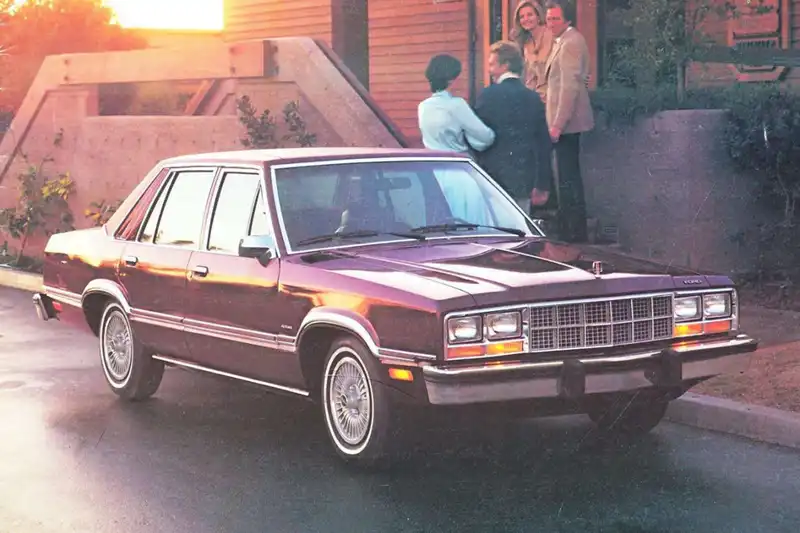 In 1978, the Ford Fairmont was the first vehicle to use the Fox Platform.
By the late ‘80s, this rear-drive platform had been replaced by a lineup of front-drive vehicles, and the Mark VII and Mustang were the final cars to ride on Fox Platform, ending in 1992 and 1993, respectively; the fourth-generation (1994-2004) Mustang rode on a modified Fox Platform called SN95, but the 1979-93 years represent the beloved Fox Body Mustang.
In all, more than a dozen nameplates and some 7 million vehicles rode on the Fox platform from 1978 through 1993. Shared hard points let Ford chase every niche without re-tooling from scratch, while hot-rodders discovered that suspension bits from a humble Fairmont wagon would bolt straight into a weekend drag Mustang.
1979-93 "Fox Body" Ford Mustang
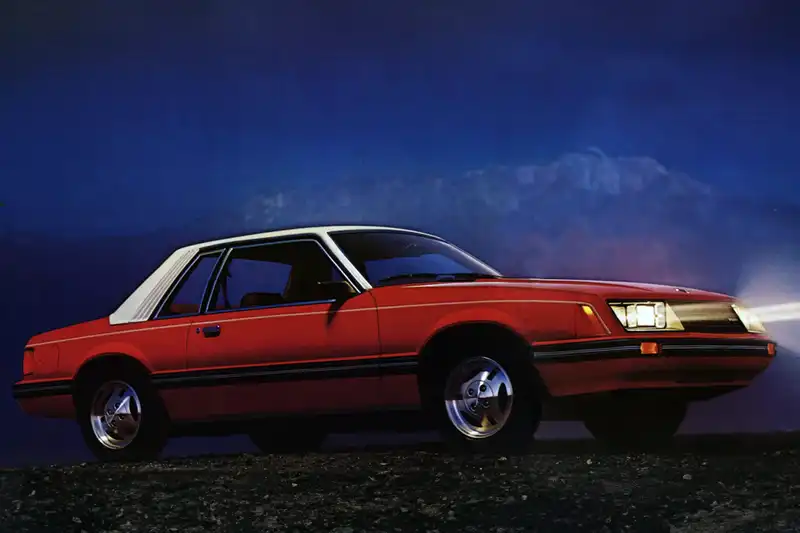 1980 Ford Mustang
From launch, buyers could choose three body styles: hatchback, notchback, and, in 1983, the return of the factory Mustang convertible. Each body featured the same straightforward hardware: MacPherson struts up front, a four-link coil-spring live axle out back, and an engine bay that accommodated everything from an economical 2.3-liter four to Ford’s storied 5.0-liter small-block V-8.
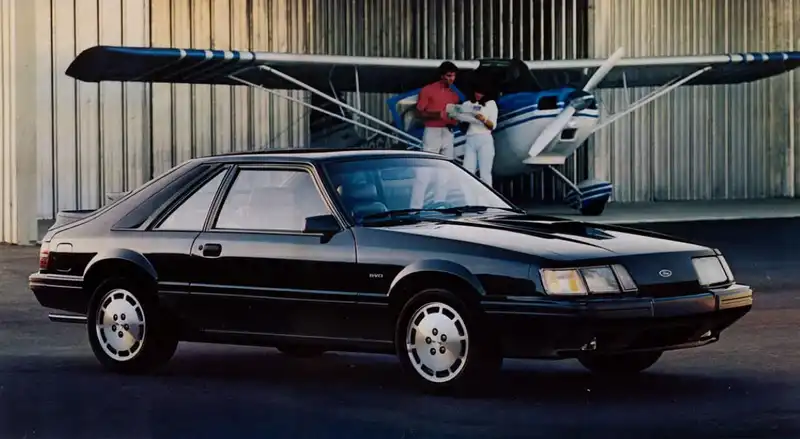 1986 Ford Mustang SVO
The entire line received a dramatic facelift for 1987. Flush aero headlamps, integrated body-color bumpers, and a cleaner cabin vaulted the aging Fox shell into the modern era, while electronic mass-airflow fuel injection on the 5.0 unlocked smoother power delivery and untapped tuning potential. Magazine tests clocked mid-14-second quarter-miles straight off the showroom floor, and aftermarket catalogs grew as thick as phone books.
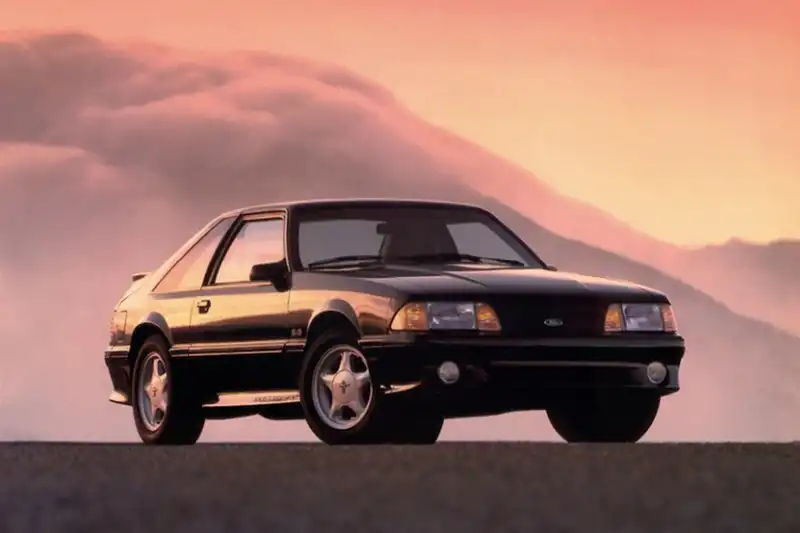 1993 Ford Mustang GT
Ford saved perhaps the best for last. In 1993, the newly formed Special Vehicle Team unveiled the Cobra and ultra-limited Cobra R. GT-40 cylinder heads, a unique intake, and bigger injectors nudged output to 235 hp, while larger brakes and firmer springs sharpened track manners. Together, they capped a 14-year production run that totaled more than 2.6 million cars.
Today, whether it’s the sleeper LX 5.0 sneaking through Friday-night test-and-tune lanes, a Concours-grade SVO, or a sun-bleached droptop cranking “Ice, Ice Baby” around town, the Fox Body endures as a fan-favorite Mustang.
Leave a Comment
This policy contains information about your privacy. By posting, you are declaring that you understand this policy:
This policy is subject to change at any time and without notice.
These terms and conditions contain rules about posting comments. By submitting a comment, you agree with these rules:
Failure to comply with these rules may result in being banned from submitting further comments.
These terms and conditions are subject to change at any time and without notice.
Comments