
Buying a classic truck online can be an exceptional way to secure a well-executed restomod, but it also opens up the possibility of scams—whether you're a first-timer or a seasoned buyers. In the premium market, value is built on evidence: metalwork quality, engineering decisions, documentation, and the credibility of the shop or builder. This guide is designed for collectors comparing classic truck values across similar-looking builds, reviewing a classic truck price guide for market context, and learning what to look for when buying a classic truck when the vehicle is hundreds of miles away.
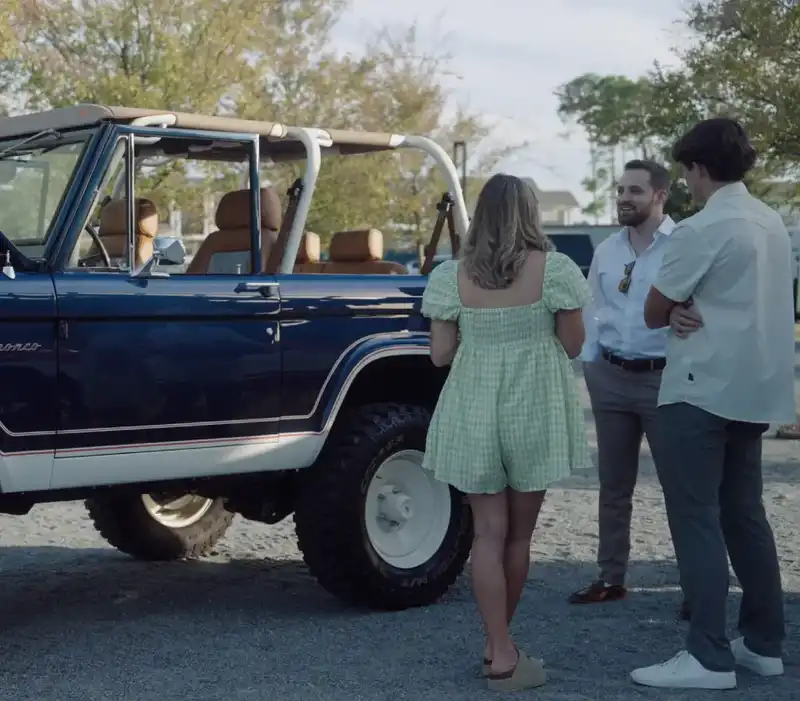 For buyers who prefer to avoid the uncertainty altogether, the safest path is choosing a builder with repeatable standards, comprehensive documentation, and a proven track record. Re-Engineered Classics from Velocity Restorations are built to those expectations, with consistent engineering, detailed build records, and nationwide dealer support developed over more than a decade. In a market where value depends on proof and process, established standards significantly reduce risk and preserve long-term collectability resulting in no guesswork and no disappointment.
Online-Specific Red Flags
When buying a classic truck online, listing quality often mirrors seller transparency. Red flags include stock or recycled photos, overly edited images, poor lighting, and a lack of unglamorous angles such as the underside, cab mounts, inner fenders, radiator support, bed floor, and frame rails. Serious sellers provide cold-start video, warm-idle footage, driving video with gauges visible, and a complete walkaround in natural light. If basic verification cannot be provided on request, this should be a huge red flag. Premium builds show intentionality in the details: correct fasteners, clean welds, properly routed lines, and coherent materials that signal build quality rather than a fast cosmetic flip.
Seller behavior
 Credit | Mason Mulcahy on Unsplash
Build quality vs cosmetic upgrades
Cosmetic upgrades can inflate perceived value while hiding engineering compromises. Big wheels, quilted interiors, and high-end audio do not address steering geometry, brake bias, cooling capacity, drivetrain angles, or electrical integrity. Premium restomods earn their price through cohesive systems: calibrated suspension, predictable braking, stable temperatures in traffic, clean wiring, quality fuel delivery, and serviceable routing. When comparing classic pickup truck values, prioritize mechanical execution over visual impact.
Documentation, receipts, and build transparency
Documentation is the luxury market’s insurance policy. Receipts, shop invoices, alignment specs, dyno sheets, paint/materials documentation, wiring diagrams, and build photo albums separate premium assets from pretty unknowns. If a truck is priced at the top of a classic truck price guide range, the proof must match the claim. Build transparency protects classic truck values and preserves long-term collectability.
Inspections
A professional remote inspection is not optional at higher price points. Use inspectors familiar with classic trucks and restomods, and request a lift inspection with detailed underside photos, frame measurements where relevant, compression or leak-down results (as appropriate), and a road test that checks braking, steering play, transmission behavior, charging voltage, and temperature stability. A strong seller will coordinate this smoothly.
Payment scams and financial risks
High-end listings attract sophisticated fraud. Avoid non-standard escrow sites, last-minute account changes, and urgency around deposits. Confirm title status, validate seller identity, match the VIN to the title, and use traceable, bank-verified payment paths. If anything feels inconsistent, walk away. Protecting capital is part of protecting classic truck values.
Transport and post-purchase risks
Premium trucks still face transport risk. Use enclosed transport for high-value builds, confirm insurance coverage limits in writing, and document the condition with time-stamped photos before pickup. Plan a post-delivery baseline inspection to confirm fluid condition, torque checks on key fasteners, alignment, and any heat-cycle issues. Even well-built restomods benefit from a careful shakedown.
Provenance, builder reputation, and long-term collectability
In the upper tier, provenance is value. Builder reputation, repeatable quality, and recognizable standards can influence future liquidity. A respected shop’s build book, photos, and service support can matter as much as the parts list. If the builder is unknown, the truck must stand on documentation, inspection results, and demonstrable craftsmanship.
Practical Steps to Avoid Fraud and Common Scams
Fraud remains a real threat when shopping for classic trucks online, especially with high-demand models. Common scams include fake escrow services, cloned listings using stolen photos, and sellers requesting wire transfers or cryptocurrency. Protect yourself by researching the seller thoroughly across forums, social profiles, business registries, and prior sales history.
Always insist on live video calls that show the truck starting cold, idling, driving, and displaying the VIN and title. Use reputable escrow services you independently verify, never ones suggested only by the seller. If possible, inspect the truck in person or hire a trusted third-party inspector who specializes in classics. Professional inspections uncover hidden issues in frames, wiring, brakes, and cooling systems that photos cannot reveal.
Summary
 Buying a classic truck online rewards discipline and preparation. Look beyond paint and presentation to evaluate restoration quality, documentation depth, and seller transparency. Compare asking prices to verified classic truck values, prioritize mechanical integrity over cosmetic upgrades, and insist on inspections and proof. These steps protect capital, reduce risk, and ensure the truck you buy delivers lasting enjoyment and long-term value.
FAQs
- What should I look for when buying a classic truck online?
Prioritize transparency: cold-start and driving videos, complete underside and rust-prone-area photos, VIN and title verification, and a third-party remote inspection. Compare asking price to verified classic truck values and require documentation that supports restoration and upgrade claims. - What are the biggest online red flags for classic trucks?
Major red flags include no videos, limited photo angles, stock or recycled images, heavy filters, missing VIN/tag photos, vague descriptions, reluctance to answer detailed questions, and pressure to pay quickly. These signals often indicate missing documentation or undisclosed issues. - Is a third-party inspection worth it?
Yes. Inspections regularly uncover issues that affect safety, value, and ownership costs. They are one of the most effective ways to reduce risk when buying a classic truck remotely. - What documentation should I request before buying a classic truck remotely?
Request a parts list, receipts and shop invoices, restoration photos (including metalwork and paint prep), VIN/title photos, and any supporting records such as alignment specs, dyno sheets, wiring documentation, or service history. Strong documentation supports valuation and future collectability. - What payment methods are safest when buying a classic truck online?
Use secure, traceable payment methods and verify seller identity, title status, and VIN match before sending funds. Avoid wire transfers, gift cards, and pressure tactics. Avoid unfamiliar escrow sites, last-minute account changes, and urgent deposit demands. Consider attorney escrow or reputable transaction services when appropriate.
Leave a Comment
This policy contains information about your privacy. By posting, you are declaring that you understand this policy:
This policy is subject to change at any time and without notice.
These terms and conditions contain rules about posting comments. By submitting a comment, you agree with these rules:
Failure to comply with these rules may result in being banned from submitting further comments.
These terms and conditions are subject to change at any time and without notice.
Comments