
In the world of classic cars, it’s easy to assign high values to ultra-low-volume collector cars like a Ferrari 250 GTO or Shelby Cobra. Their rarity, provenance, and historical significance provide clear benchmarks for pricing. Restomods, however, operate in a very different space. If you're asking "how much does a restomod cost," the answer is rarely straightforward.
Two builds that appear nearly identical on the surface can carry dramatically different values., and that’s because restomods exist outside traditional valuation models, where execution, documentation, and engineering discipline matter more than badges or production numbers. As an industry leader, Velocity Restorations injected a level standardization into the restomod segment, but there are still plenty of builders out there that cut corners on parts selection, labor quality, and finishing standards, which can make restomod valuation a case-by-case exercise rather than a formula.
Unlike factory-original classics—where rarity and originality largely determine price—restomods are individually built by independent shops or private builders. The result is a market defined by wide variation in quality, integration, and long-term usability. This guide explains how to value a restomod by focusing on the factors that consistently influence pricing in today’s market, and how to avoid costly mistakes along the way.
Summary: How to Value a Restomod with Confidence
 The true drivers of restomod value are execution, documentation, and transparency. Proper paperwork protects legality and insurability, while asking targeted questions helps expose rushed or incomplete builds. Just as importantly, knowing when to walk away—even from a seemingly good deal—can prevent long-term frustration and expense. In a market without fixed rules, informed evaluation is the key to getting real value from a restomod purchase.
How To Value A Classic Restomod
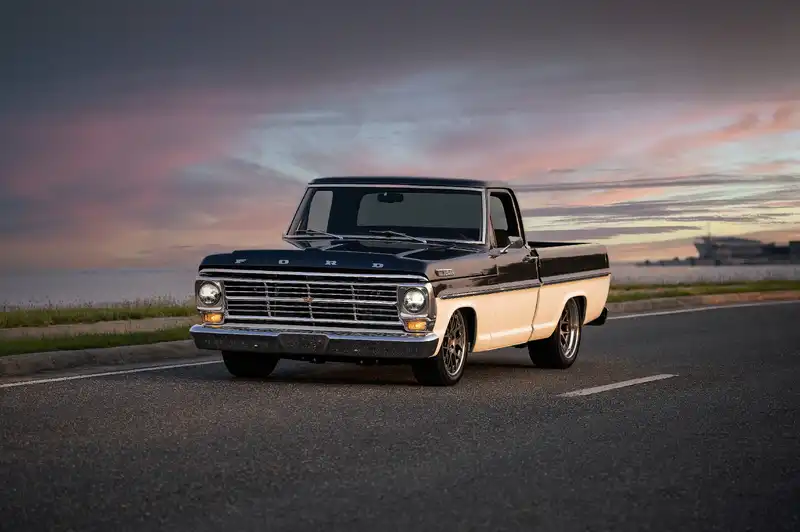 There are many elements that factor into the value of a classic car restomod, from obvious considerations like the vehicle itself and its overall condition to less visible factors such as builder reputation and the quality of parts used. While the former is easy to verify, the latter can be far more difficult to assess.
Because there is no universally accepted definition of what a restomod should be, buyers must rely on research, documentation, and builder credibility. Choosing an established builder that uses brand-new components (and, more importantly, can clearly explain how and why those components were integrated), greatly reduces risk when purchasing a modernized classic. Reduced risk adds value!
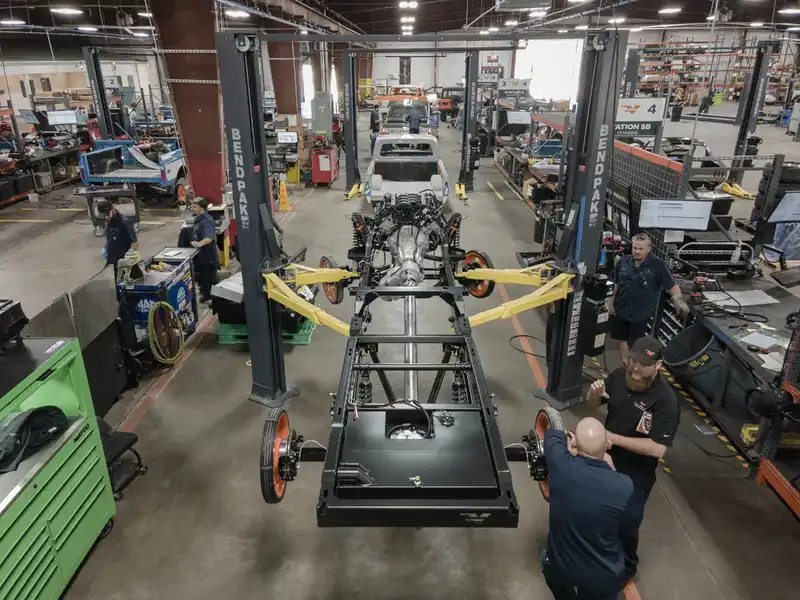
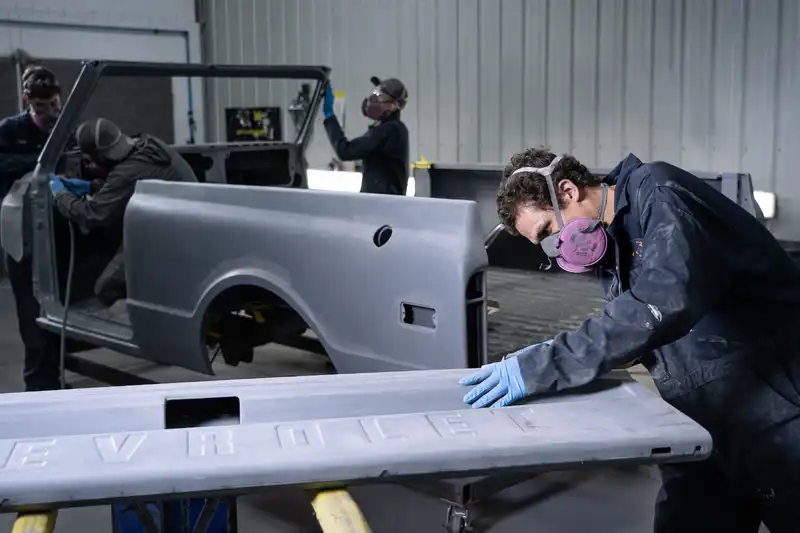
Just about any shop can build a restomod by adding a late-model drivetrain, disc brakes, and suspension upgrades to a classic car or truck, but it takes real expertise to seamlessly integrate modern components and execute the work to the highest standards possible. Velocity Restorations, for example, only uses brand-new (never used or rebuilt) suspension, powertrain, and chassis components, and our in-house metal, paint, trim, assembly, and quality control teams ensure every detail is executed with consistency, precision, and uncompromising quality from start to finish. That level of discipline is what creates real, lasting value in a restomod build.
Factors That Do Not or Should Not Impact the Price
Many sellers emphasize factors that rarely justify a higher asking price. Total money spent on the build does not determine value, nor does the amount of time invested by the owner. Aftermarket brand names alone do not add value if they are poorly integrated. Rare colors or extreme customization can narrow the buyer pool rather than expand it. High horsepower figures also fail to add value unless the chassis, brakes, and cooling systems are engineered to support them. The market rewards outcomes, not intentions or receipts.
Differences in Pricing for Identical Builds
 It is common to see two classic car restomods with nearly identical specifications priced far apart. These differences are usually explained by labor quality, fit and finish, documentation depth, and drivability. Cars that have been professionally tuned, aligned, and road-tested inspire more confidence and therefore sell for more. Builder reputation, title clarity, and ease of registration also affect pricing. Even when parts lists match closely, these underlying factors create real value separation.
Why Online Buying Is Common, and Where It Goes Wrong
Online buying has become standard in the restomod market because inventory is limited and spread across wide geographic areas. Many buyers are willing to shop nationally to find the right car, and transport logistics are well established. Problems arise when buyers rely too heavily on polished photos and brief descriptions.
High asking prices can create a false sense of security, and vague build narratives often mask incomplete or poorly executed work. Online buying works best when buyers demand evidence and transparency rather than trusting presentation alone. Of course, another advantage you have with buying a restomod from Velocity is our nationwide network of authorized dealers, making it easier to see our builds for yourself.
Specific Photos Buyers Should Demand
Photos play a critical role in how to value a restomod remotely. Serious buyers should request clear images of the underside to evaluate frame condition, modifications, brake and fuel line routing, exhaust clearance, and any signs of rust repair. Wiring photos are essential to confirm clean routing, labeled fuse panels, proper loom protection, and the absence of exposed splices. Engine bay images should show cooling layout, hose routing, clamp quality, and clearances around headers and accessories. When sellers hesitate to provide these images, buyers should factor that uncertainty into the price.
Questions That Expose Shortcuts or Incomplete Builds
Direct questions often reveal more than visual inspection. Asking who performed the wiring, whether the car has completed long-distance drives, and what still does not function as intended can quickly expose unresolved issues. Buyers should also ask whether replacement parts are easily sourced and whether the car has been professionally aligned, corner-balanced, or tuned. Clear, confident answers support stronger restomod values, while vague responses usually signal added risk.
Paperwork That Proves Legitimacy and Ownership
Documentation has a direct impact on restomod cost. Clear title status that matches the chassis or VIN is essential. Build invoices with dates, vendors, and descriptions help establish legitimacy and replacement cost. Engine and transmission paperwork, emissions or inspection records, and transport documentation for cross-border cars all reduce buyer risk. When paperwork is missing or incomplete, buyers assume additional liability, which lowers market value.
Insurance Implications and Pricing
Insurance considerations often influence pricing more than buyers expect. Agreed value policies typically require thorough documentation and proof of build quality. Poorly documented cars may receive limited coverage or conservative valuations, which affects long-term ownership costs. Cars that insure easily tend to trade at higher prices because they reduce friction and uncertainty for future owners.
Ownership Reality and Long-Term Value
Restomods are meant to be driven and maintained. Buyers price cars based on how realistic ownership will be over time. Cars that use supported components, offer accessible service points, and avoid one-off solutions tend to hold value better. Vehicles that require constant troubleshooting or custom-only parts introduce ongoing costs that buyers factor into their offers.
When to Walk Away, Even If the Price Seems Right
A low asking price can hide significant future expenses. Buyers should be prepared to walk away when sellers avoid detailed questions, provide limited or selectively cropped photos, or rush the decision-making process. Unclear title details, heavy reliance on verbal claims, or inconsistent documentation are also strong warning signs. In the restomod market, patience often prevents costly mistakes.
The Real Value Is in the Details
Restomods reward buyers who slow down and look past surface-level appeal. Because these cars are individually built by independent shops and individuals, value is created through execution, transparency, and long-term usability rather than brand names or headline numbers. The strongest restomod values come from well-engineered builds that are fully documented, realistically insurable, and easy to own over time. When buyers focus on proof instead of promises and quality instead of claims, pricing starts to make sense. In a market without fixed rules, informed evaluation is the difference between buying a car that simply looks right and owning one that truly delivers.
FAQs
What is a classic restomod worth compared to an original classic car?
A well-executed restomod can be worth significantly more than a stock example, but only if the work is professionally done, documented, and cohesive. Poorly executed restomods often sell for less than original cars due to the cost of correcting mistakes.
Is it risky to buy a restomod online without seeing it in person?
It can be, but many high-quality restomods are bought online successfully. The risk comes from incomplete information—not the transaction itself. Detailed photos, documentation, third-party inspections, and seller transparency reduce that risk substantially.
What are the biggest red flags when evaluating a restomod?
Major red flags include messy or undocumented wiring, vague answers about who built the car, lack of test miles, missing receipts, and phrases like “just needs sorting” or “mostly finished.”
Can a cheap restomod still be a good deal?
As with any classic or collector car, you get what you pay for. Many “cheap” restomods require extensive rework that quickly exceeds the cost of buying a properly finished example upfront.
Leave a Comment
This policy contains information about your privacy. By posting, you are declaring that you understand this policy:
This policy is subject to change at any time and without notice.
These terms and conditions contain rules about posting comments. By submitting a comment, you agree with these rules:
Failure to comply with these rules may result in being banned from submitting further comments.
These terms and conditions are subject to change at any time and without notice.
Comments