
Upgrading classic truck wheels and tires is one of the most rewarding improvements you can make to a vintage build, but it’s also an area where many owners run into challenges. Classic platforms were not engineered with today’s tire widths, brake packages, or wheel diameters in mind, which means proper fitment requires careful planning and a solid understanding of how wheel measurements affect suspension movement, steering feel, and overall drivability.
This comprehensive truck tire fitment guide explains why classic fitment is more complicated, how to determine the right wheel and tire combination, and which considerations are essential for iconic models such as the early Ford Bronco, K5 Blazer, Ford F-Series, and International Scout II. Whether you’re trying to figure out “what size tires should I put on my truck” or researching modern replacements for vintage truck tires, this article will help you make a confident, well-informed decision.
Why Wheel & Tire Fitment Is Trickier on Classic Platforms
Classic trucks and SUVs were designed in a different era, one where narrow wheels, tall sidewalls, and minimal brake clearance were the norm. As a result, installing modern wheels and tires for classic trucks can be challenging. Vintage wheel wells were simply not built to handle the wider footprints and lower-profile designs common today.
Many classic suspension systems rely on leaf springs or radius arms, which limit the amount of inward and outward wheel travel and introduce clearance issues that don’t exist on modern chassis. Additionally, most owners upgrade to modern disc brakes, which often require wheels with specific offsets or deeper barrels to accommodate larger calipers. Even small deviations in fitment can create rubbing, limit steering range, or make the vehicle wander at highway speeds.
Understanding Wheel Offset & Backspacing
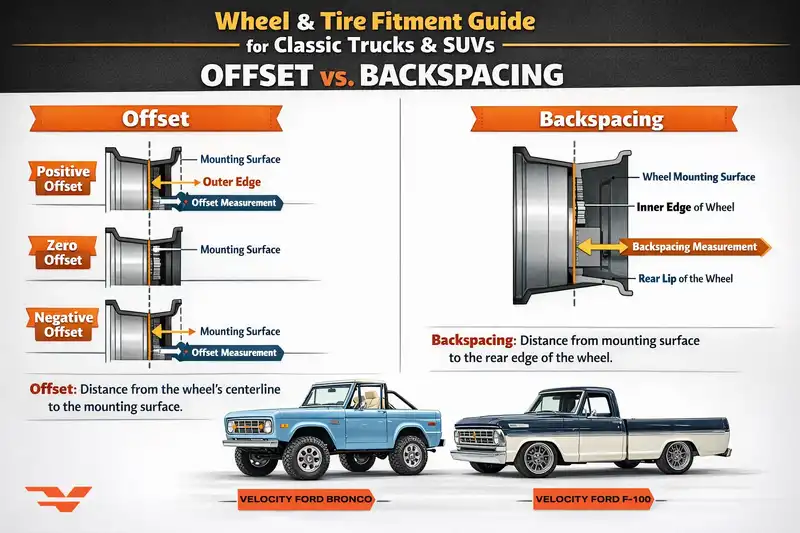 To choose the right classic truck tires and wheels, you must understand how width, offset, and backspacing work together. Wheel width determines how far the tire extends toward both the inside and outside of the wheel well. A wider wheel may create a more aggressive stance or improve traction, but it also increases the likelihood of rubbing on suspension components. See our suspension guide here.
Offset refers to how the wheel’s mounting surface aligns with its centerline. Wheels with too much positive offset will sit too far inward, potentially contacting radius arms or leaf springs, while wheels with too much negative offset push outward and can disrupt steering geometry by increasing scrub radius. Backspacing measures how much of the wheel extends toward the vehicle’s suspension. Too much backspacing can cause inner-fender or suspension contact, while too little can push the tire outward beyond the fender line. A balanced combination of these measurements ensures proper clearance, predictable steering, and safe brake fitment—making them essential for anyone learning how to choose the best tires for my truck.
Common Mistakes to Avoid When Selecting Wheels & Tires for Classic Trucks
- Buying Wheels Before Confirming Brake Clearance: One of the most common—and costly—fitment issues happens when wheels are purchased before verifying brake clearance. Modern disc brake conversions often require wheels with specific barrel depths, spoke designs, or minimum diameters. Installing wheels that don’t clear upgraded calipers can force you to change your brake kit or buy new wheels altogether. Always measure first, buy second.
- Assuming Offset and Backspacing Are the Same Thing: Offset and backspacing work together, but they are not interchangeable. Offset describes how the mounting pad aligns with the wheel’s centerline, while backspacing measures how much of the wheel sits inward toward the suspension. Confusing these two measurements is a fast track to rubbing issues—either against suspension components or the outer fender line.
- Ignoring Tire Load Rating: Classic trucks are heavier and more frame-dependent than modern vehicles, meaning tire load rating directly affects handling, braking, and safety. Choosing a tire with an insufficient load rating can cause excessive sidewall flex, increased heat buildup, and unstable highway performance. Always verify that the tire is designed to support the weight of your vehicle.
- Using Modern Low-Profile Tires on Vintage Suspension: While low-profile tires can create a contemporary look, they rarely pair well with older suspension designs. Classic leaf-spring and radius-arm setups rely on taller sidewalls to absorb road imperfections. Reducing sidewall height can make the ride harsh, introduce vibration, and compromise overall stability—especially on unrefined factory steering systems.
- Overestimating Wheel-Well Space: Classic wheel wells are notoriously deceptive. A tire that fits at ride height may rub at full steering lock or during suspension compression. This is especially true on vehicles with narrow track widths or tight rear openings, such as the early Bronco or Scout II. Always test clearances through the full range of steering and articulation.
- Prioritizing Style Over Geometry: Deep-dish wheels or aggressive negative offset may look appealing, but they often push the tire outward and increase scrub radius. This can make steering heavier, reduce return-to-center, and accelerate wear on ball joints and tie rods. A visually aggressive stance should never come at the expense of predictable drivability.
- Forgetting About Future Upgrades: Fitment decisions should account for where your build is headed—not just where it is today. Planned brake upgrades, suspension lifts, axle swaps, or powertrain changes can all influence wheel and tire requirements. Choosing components with future compatibility in mind prevents costly rework later.
How Incorrect Fitment Affects Ride & Drivability
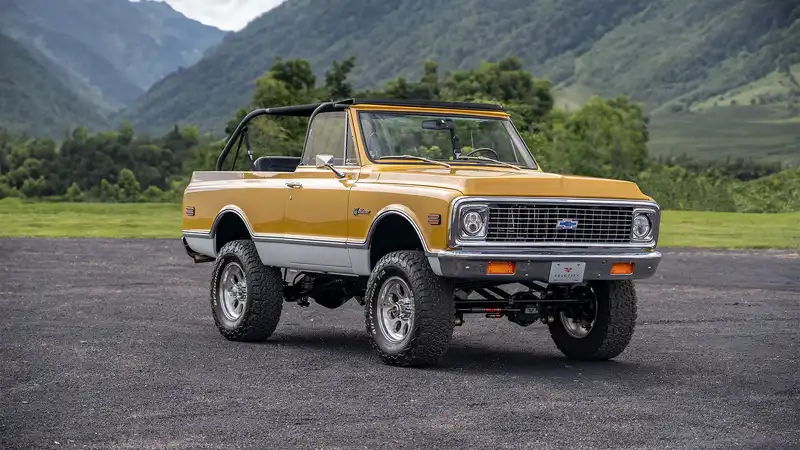 When wheel and tire fitment is incorrect, classic trucks often behave unpredictably. Tires that rub during turns or suspension travel can damage fenders and reduce the turning radius. Wheels with improper offset can cause heavy or inconsistent steering, especially at low speeds or during off-road articulation. Incorrect fitment may also introduce vibrations, pulling, or wandering at highway speeds, which can be unsettling on vehicles with older steering systems.
Poor fitment can also compromise braking performance if the wheel barrel sits too close to upgraded brake calipers. Over time, bad fitment contributes to premature wear of tie rods, ball joints, and wheel bearings. Because classic vehicles lack the tolerance of modern chassis designs, proper fitment is essential for maintaining stability, improving comfort, and preserving the long-term health of suspension and steering components.
Balancing Stance, Performance & Everyday Usability
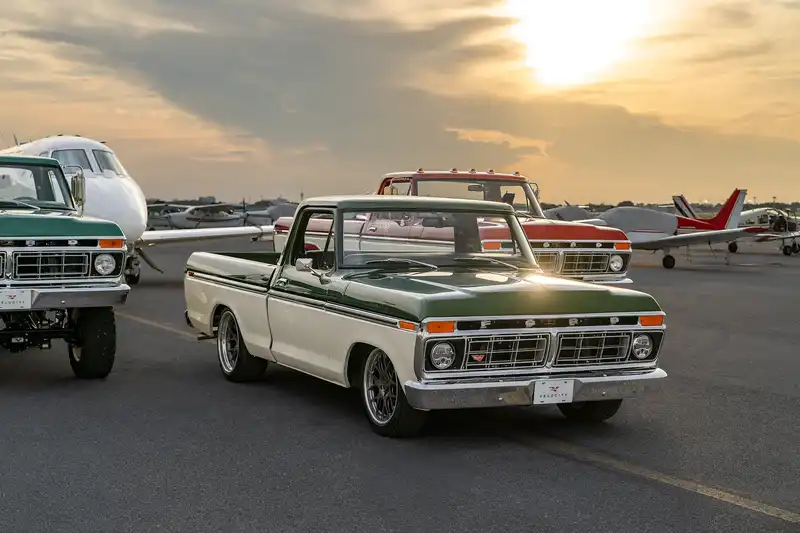 Selecting wheels and tires for classic trucks involves more than picking what looks best—it requires balancing stance, performance, and daily usability. A wider stance may look aggressive, but too much negative offset can make the truck harder to steer or cause fender clearance issues. Large-diameter wheels may modernize the appearance, but they can reduce sidewall height and negatively impact ride comfort. Tire weight plays a major role in how the vehicle accelerates, brakes, and reacts to road imperfections.
Brake clearance is another major consideration, especially if you plan on upgrading to modern disc brakes, which often require specific wheel profiles. When choosing a wheel and tire setup, think about how you plan to use the vehicle. A truck built primarily for highway cruising may prioritize smooth-riding all-terrain tires, while a show-focused classic might lean into a more aggressive stance. The goal is to select a setup that delivers the appearance you want without compromising the comfort and control you need.
Why Velocity Builds Drive Better Than Stock
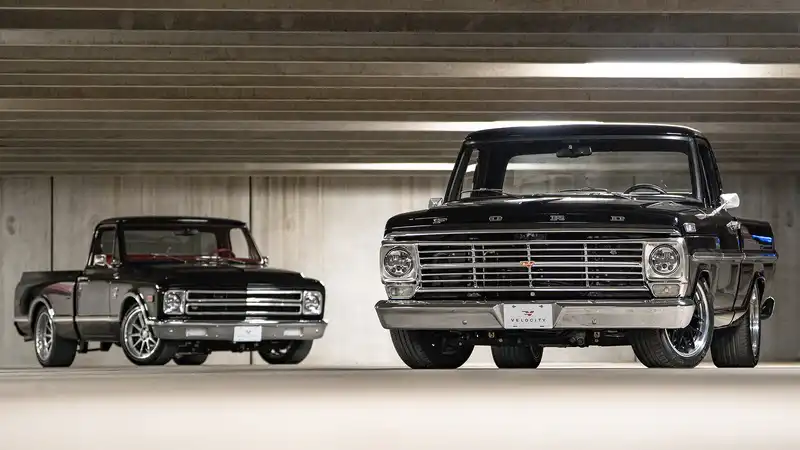 Velocity approaches wheel and tire fitment with the same engineering rigor applied to suspension, braking, and powertrain upgrades. Every restoration is designed so the classic truck wheels and tires complement the vehicle’s intended purpose while ensuring modern road manners. Offsets and backspacing are carefully chosen to maintain proper scrub radius. Tires are selected for optimal ride quality and highway stability.
Brake packages are engineered alongside wheel choices to prevent clearance issues. The result is a vehicle that retains its iconic vintage aesthetic while driving with the confidence and comfort expected from a modern SUV or truck. Velocity delivers the ride quality today’s drivers expect while preserving the authenticity collectors and enthusiasts demand.
Summary
Wheel and tire fitment on classic trucks is more complicated than on modern vehicles because older platforms have narrow wheel wells, outdated suspension designs, and limited brake clearance. Choosing the right combination of wheel width, offset, and backspacing ensures that classic truck tires and wheels fit properly without rubbing or affecting steering. Incorrect fitment can reduce drivability and cause premature wear. Popular models such as the Bronco, K5 Blazer, F-Series, and Scout II each have unique fitment needs. Buyers wondering “what size tires should I put on my truck” should consider stance, brake clearance, ride quality, and daily usability. Velocity ensures every build achieves modern performance while maintaining classic authenticity.
Frequently Asked Questions About Wheel & Tire Fitment
- What size tires should I put on my classic truck?
The right tire size depends on your vehicle’s wheel well dimensions, suspension design, and wheel offset. Most classic 4x4 trucks perform best with 31–35 inch tires, but exact sizing varies by model. Proper measurements ensure there is no rubbing during turns or suspension compression. - How do I choose the best tires for my classic truck?
Consider how you plan to use the vehicle. Highway-driven trucks benefit from radial all-terrain tires for comfort and stability, while off-road builds may prefer more aggressive tread patterns. Always match tire width and diameter to your wheel offset and backspacing to avoid fitment issues. - Why is wheel and tire fitment harder on classic trucks?
Classic platforms were built with narrower wheel wells and less standardized suspension geometry. Modern wheels, wider tires, and upgraded brake kits often require precise offset and backspacing to fit safely. - Can incorrect wheel offset damage my truck?
Yes. Improper offset can cause rubbing, poor steering feel, increased scrub radius, premature suspension wear, and even brake interference. Choosing the correct offset ensures safe, predictable handling. - Do brake upgrades affect wheel fitment on classic trucks?
Absolutely. Larger calipers and rotors often require wheels with specific profiles or diameters to provide adequate clearance. Always verify brake and wheel compatibility before buying.
Leave a Comment
This policy contains information about your privacy. By posting, you are declaring that you understand this policy:
This policy is subject to change at any time and without notice.
These terms and conditions contain rules about posting comments. By submitting a comment, you agree with these rules:
Failure to comply with these rules may result in being banned from submitting further comments.
These terms and conditions are subject to change at any time and without notice.
Comments