
As buyer expectations evolve, many shoppers are rethinking the traditional mindset around originality. Instead of assuming that untouched factory specs equal maximum value, modern buyers now ask deeper questions like “does modifying a car increase value?” and “which upgrades actually add value to a classic car?” The truth is that the right upgrades — done thoughtfully — can make a vintage vehicle more desirable, more reliable, and often more valuable than a purely original version.
Velocity Re-Engineered Classics
Types of Modifications That Commonly Add Value
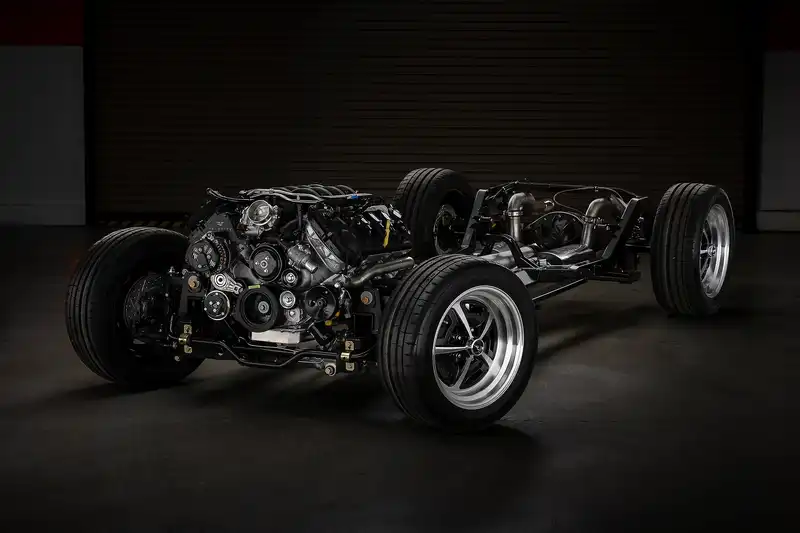 Upgraded chassis, suspension, and powertrain components help a true restomod ride like a modern vehicle while retaining its orginal style.
- Modern engines swaps with electronic fuel injection (EFI)
- Upgraded chassis/suspension systems (coilovers, sway bars, etc.)
- Four-wheel disc brake conversion
- Modern automatic transmissions
- Air conditioning and comfort upgrades
These types of classic car mods appeal to buyers who want vintage styling with modern capability, meaning the vehicle becomes more usable and enjoyable, which directly supports higher resale value.
Modifications That Can Hurt Collectability or Resale
Of course, not all changes are positive. If you’re asking “do modifications lower car value?” the answer is yes when the mods are poorly executed, too personalized, or irreversible. Value-reducing choices include:
- Radical body alterations or widebody conversions without structural planning
- Low-quality interior customizations
- Removing original features that are hard to replace
- Overly aggressive stance or wheel choices
- Cutting or welding components that should remain intact
Such decisions can shrink the buyer pool, especially among collectors who might otherwise be interested in a clean restomod vs restoration example.
How Drivability Improvements are Viewed by Today’s Buyers
 Velocity builds its Re-Engineered Classics to be driven!
Properly built restomods give owners something most originals can’t: a classic they can confidently drive anywhere, anytime.
Matching Modifications to Ownership Goals
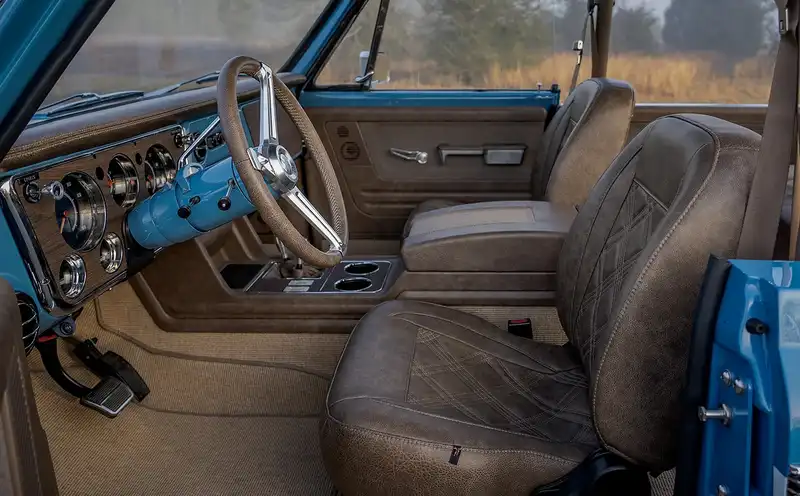 Your approach to modifications should align with how you plan to use the car:
- Weekend cruiser: Comfort and reliability mods are key.
- Long-distance tourer: Overdrive transmissions, A/C, cooling upgrades.
- Investment-minded buyer: Reversible enhancements and tasteful improvements.
- Performance-focused owner: Engine and suspension upgrades that remain true to the car’s identity.
Understanding the differences in restomod vs original helps buyers choose a vehicle that fits their lifestyle—and recognize when a restomod may actually be the smarter, more enjoyable investment.
Summary: Restomod vs Original — Which Offers More Value?
A well-executed restomod can offer greater usability, broader appeal, and stronger market value than an untouched classic—especially when it features thoughtful, reversible upgrades that modern buyers appreciate. While originality still has its place in the collector world, restomods deliver everyday drivability and reliability that many enthusiasts value just as highly. The key is understanding which modifications add value and which can hurt resale, so buyers can confidently choose the classic that best suits their goals.
FAQs
- Does modifying a car increase value?
Yes—when modifications improve safety, reliability, or drivability. Quality suspension, brake, cooling, and comfort upgrades often boost value, especially in the restomod market. - Do modifications lower car value?
They can. Poor-quality work, irreversible changes, extreme custom styling, or heavily personalized choices often reduce the number of potential buyers and therefore reduce resale value. - What upgrades add value to your car?
Brake conversions, modern suspension, EFI, air conditioning, better cooling systems, improved transmissions, and tasteful performance tuning are among the most value-enhancing upgrades. - Is a restomod worth more than an original classic?
Often yes. Many buyers prefer restomods because they offer the appearance of a vintage car with modern reliability and comfort. High-quality restomods can command higher prices than original examples if the upgrades are well executed. - Restomod vs restoration — what’s the difference?
A restoration brings a classic back to original factory condition, while a restomod (restoration + modernization) adds contemporary upgrades. Restomods retain classic style but offer modern performance, making them appealing to today’s drivers.
Leave a Comment
This policy contains information about your privacy. By posting, you are declaring that you understand this policy:
This policy is subject to change at any time and without notice.
These terms and conditions contain rules about posting comments. By submitting a comment, you agree with these rules:
Failure to comply with these rules may result in being banned from submitting further comments.
These terms and conditions are subject to change at any time and without notice.
Comments