
Purchasing a classic vehicle is an exciting decision, but determining how to pay for it is an important consideration in that decision. Whether you are considering a traditionally restored vehicle or a fully Re-Engineered Classic™, understanding your purchasing options can help you make a more informed decision.
At its most basic, classic vehicle financing works much like financing a modern car or truck: You borrow money to complete the purchase and repay it over an agreed period. However, classic vehicles often require a different approach to valuation, documentation, loan terms, and insurance.
The vehicle’s age, condition, originality, modifications, provenance, and builder can all influence its value. That is why many buyers choose to work with lenders that understand the collector-vehicle market.
Paying Cash Versus Financing
Some buyers prefer to purchase a classic vehicle outright, while others finance a portion of the purchase to preserve liquidity. The right approach depends on your financial priorities, available capital, and preferred ownership structure.
Paying cash can simplify the transaction and eliminate the cost of borrowing. Financing, however, may allow you to retain capital for investments, other purchases, or future expenses while spreading the cost of the vehicle over time.
For buyers planning to restore a vehicle themselves, paying cash may mean purchasing a project vehicle first and covering the restoration costs as the work progresses. While the initial purchase price may appear manageable, restoration expenses can increase considerably once the vehicle is disassembled and previously unseen issues are uncovered. A realistic budget should include a contingency for additional work, parts, and potential delays.
Before making a decision, consider the total cost of ownership and not just the purchase price. Taxes, registration, transportation, insurance, maintenance, and potential storage costs should all be factored into your budget.
Find your path to ownership with Velocity’s purchasing solutions.

Financing a Restoration Project Versus a Completed Vehicle
Financing an unfinished restoration project can be more complicated than financing a completed vehicle. The final cost, completion date, and finished value may be difficult to determine at the beginning of a traditional restoration.
A project vehicle that initially appears affordable can require significant additional investment once work begins. Bodywork, rust repair, paint, mechanical rebuilding, suspension, brakes, electrical systems, interior components, parts, and labor can dramatically increase the total cost. Problems discovered after disassembly can add further expense and extend the timeline.
Buyers considering this route should develop a realistic budget that accounts for both anticipated work and unexpected discoveries. They should also understand whether the lender will finance the vehicle purchase alone or provide funds for restoration work completed over time.
A completed vehicle or professionally commissioned build presents a different equation. Instead of estimating what a project may eventually cost, the buyer has a defined purchase price, documented specifications, and a clearer understanding of the finished vehicle. A reputable builder should also provide transparency regarding the production process, payment schedule, expected timeline, and what is included in the purchase.
See how Velocity builds its vehicles and what goes into every Re-Engineered Classic™.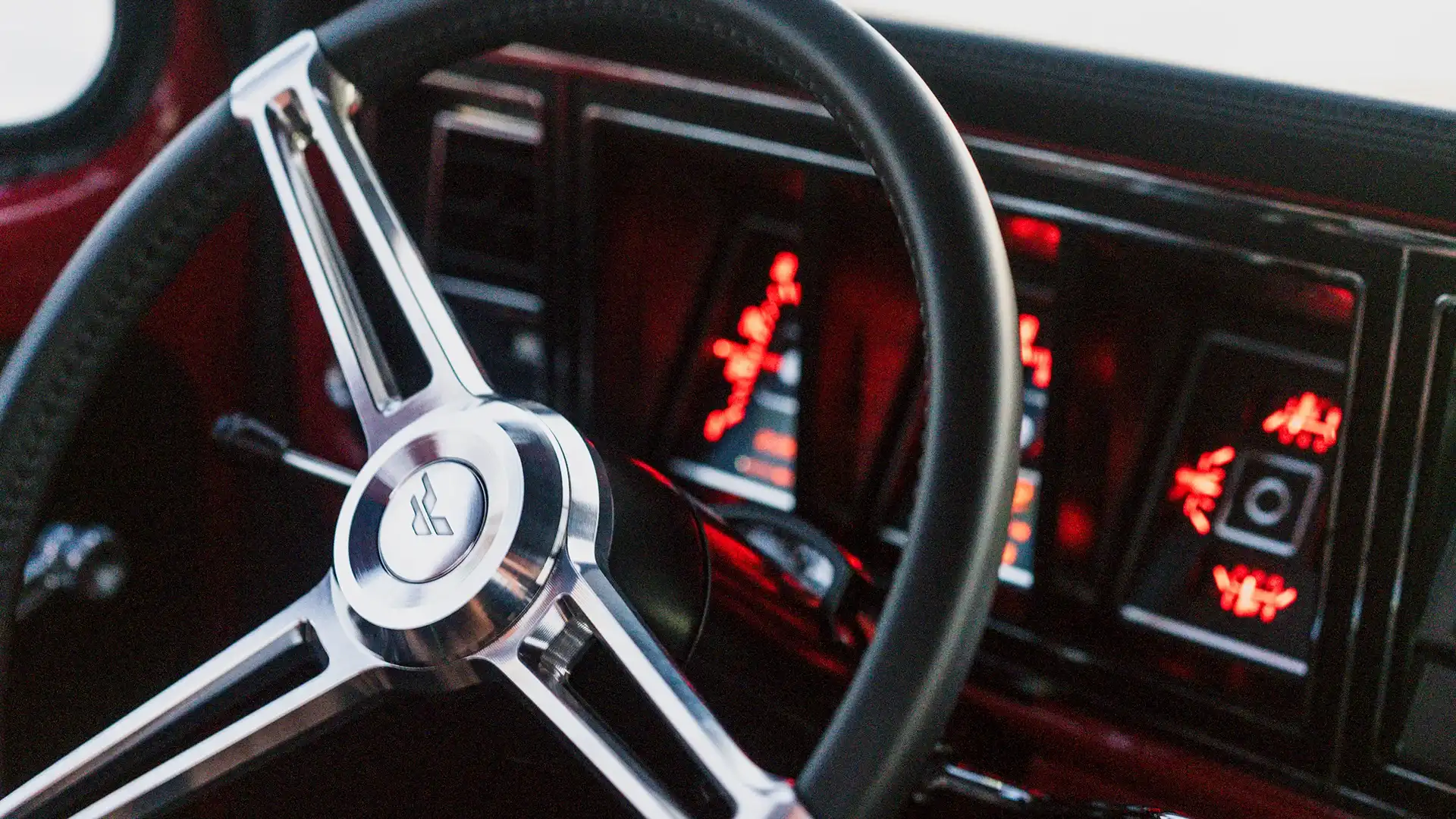
Why Specialist Classic Vehicle Financing Exists
Traditional auto lenders generally rely on standardized valuation methods when determining how much they are willing to lend. Those methods may not adequately account for the factors that influence the value of a classic or collector vehicle.
As the classic and collector-vehicle market has grown, financing options have evolved with it. Buyers now have access to lenders that better understand the valuation, documentation, and purchasing considerations associated with restored, modified, and professionally re-engineered vehicles.
The value of a classic may depend on:
Age, make, and model
Condition and restoration quality
Originality and provenance
Engineering and mechanical components
Build documentation
Modifications and craftsmanship
The reputation and experience of the builder
Comparable vehicle sales
Specialist lenders are familiar with these considerations and may offer financing structures designed specifically for classic and collector vehicles. Depending on the lender and borrower, these options may include longer repayment terms or loan amounts beyond those commonly available through traditional auto financing.
Velocity works with Woodside Credit, a specialist in collector-vehicle financing, to offer qualified buyers financing options for Velocity vehicles. Buyers may also choose to work with their preferred financial institution, credit union, or private banking relationship.
Learn more about financing through Woodside Credit, Velocity’s preferred collector-vehicle lender.
What Lenders May Consider
Financing requirements vary by lender, vehicle, and borrower. During the application process, a lender may consider:
Purchase price and requested loan amount
Proposed down payment
Credit history and credit score
Income, assets, and existing financial obligations
Vehicle age, condition, and appraised value
Whether the vehicle is completed, in production, or awaiting restoration
The experience and reputation of the builder
Loan term and intended use of the vehicle
Interest rates, down-payment requirements, repayment periods, and other terms will depend on the lender’s underwriting requirements and the borrower’s financial profile. Comparing the total cost of borrowing, not simply the monthly payment, can provide a clearer understanding of each option.
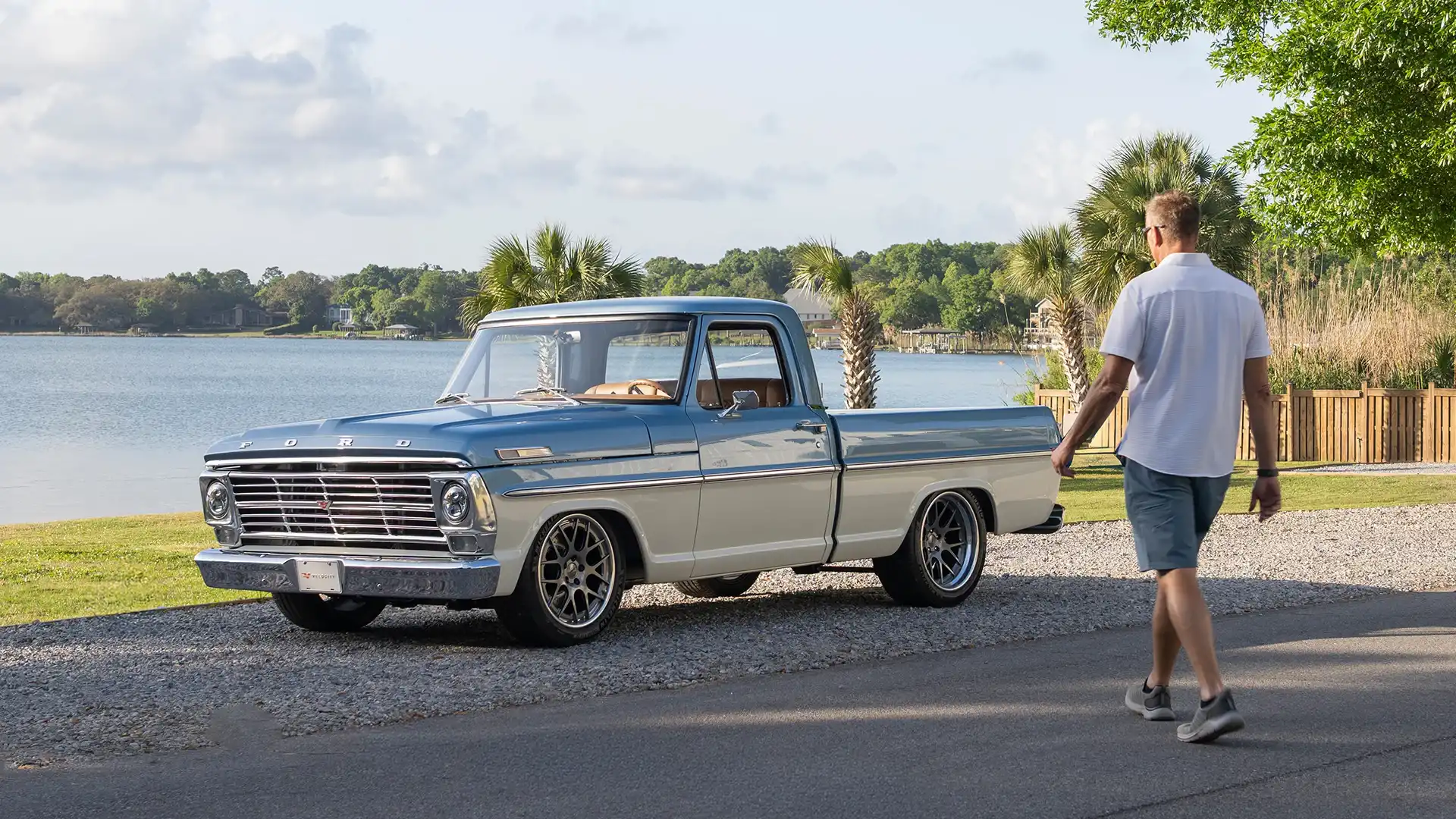
Documentation Can Support the Financing Process
Because classic vehicles are not always easily valued using conventional automotive guides, a lender may request documentation supporting the purchase price or completed value.
Helpful documentation may include:
A detailed build sheet or vehicle specification
Restoration and service records
Photographs of the vehicle
Parts and labor receipts
An independent appraisal
Information about the chassis, engine, suspension, brakes, and other major components
Provenance or ownership history
Documentation about the builder and production process
For a professionally built vehicle, comprehensive documentation can help the lender understand exactly what is being financed. It can also provide the buyer with greater confidence in the vehicle’s quality, history, and specifications.
Understand the Insurance Requirements
Classic-vehicle insurance differs from conventional auto insurance, so coverage should be considered early in the purchasing process. A lender will generally require proof of appropriate insurance before the transaction is completed or the vehicle is delivered.
Depending on the vehicle and policy, classic insurance may involve an agreed value, mileage considerations, storage requirements, or limitations on certain types of use. Buyers should discuss how they plan to drive and store the vehicle with a qualified insurance professional to ensure the coverage is appropriate.
Financing a Velocity Re-Engineered Classic
Velocity transforms original American classics from the ground up for modern driving. Each re-engineered classic combines handcrafted quality with proven engineering, modern performance, comfort, and reliability while preserving the character of the original.
Unlike an open-ended restoration project, a Velocity build provides a defined configuration, documented components, an established production process, and a clear purchasing structure. Buyers can commission a personalized build or select from available inventory for a faster path to ownership.
Financing is available to qualified buyers. Buyers may also consider trade-in opportunities or combine a trade-in with financing to create a purchasing approach aligned with their needs.
Before moving forward, consider the following questions:
How much would you prefer to provide as a down payment?
Would you like to finance the entire eligible balance or preserve additional liquidity?
Are you commissioning a build or purchasing available inventory?
Do you have a vehicle you would like to trade?
What loan term and total borrowing cost best support your financial priorities?
A Velocity representative can help you understand the purchasing process, explore available vehicles, discuss trade-in opportunities, and connect you with Woodside Credit to learn more about available financing. All financing is subject to lender approval, terms, and conditions.
Make the Financial Decision as Carefully as the Vehicle Decision
A classic vehicle may be purchased for the connection it creates, the driving experience it delivers, or the craftsmanship it represents. Financing that purchase should be approached with the same level of care.
Leave a Comment
This policy contains information about your privacy. By posting, you are declaring that you understand this policy:
This policy is subject to change at any time and without notice.
These terms and conditions contain rules about posting comments. By submitting a comment, you agree with these rules:
Failure to comply with these rules may result in being banned from submitting further comments.
These terms and conditions are subject to change at any time and without notice.
Comments