
The restomod world is more popular than ever, but the surge in demand has introduced a new challenge for buyers: distinguishing a true high-end restomod from a bare-minimum “flip build.” On the surface, many of these vehicles look similar—fresh paint, modern wheels, maybe a new interior. But underneath the cosmetics, the differences can be dramatic. And those differences have major implications for safety, reliability, performance, resale value, and your long-term enjoyment as an owner.
This guide will help show you the difference between a professionally engineered, thoroughly tested restomod from Velocity Restorations versus a fast-turn, low-cost flip.
Engineering and Systems Integration vs Cosmetic Upgrades
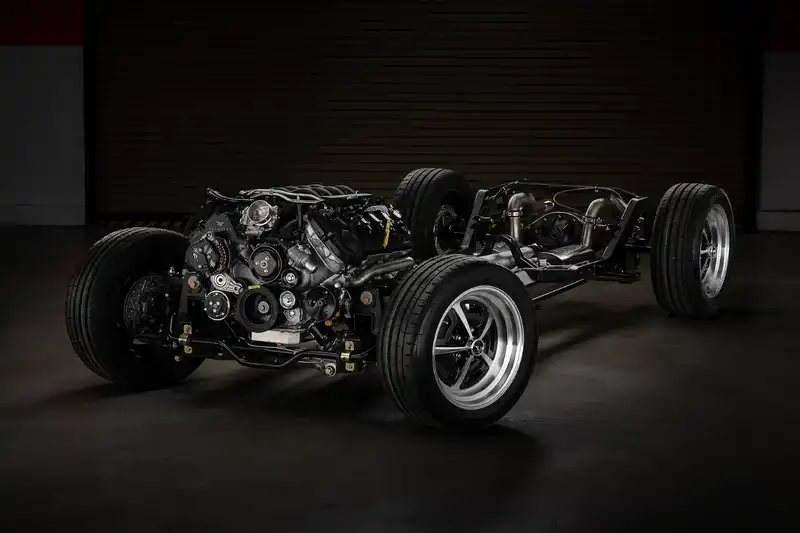 Engineered first. Styled second. Every Velocity build is a fully integrated, brand-new system—built to perform, not just impress.
In contrast, a flip build is often assembled around what “looks good” or what can be installed fastest. Rather than redesigning structure or reengineering systems, flippers typically prioritize bolt-on solutions and visible upgrades: paint, wheels, seat upholstery, or aftermarket accessories. Performance, safety, and integration rarely receive the same level of attention.
A high-end restomod drives like a modern vehicle because it is engineered like one. A flip build often drives like what it is: an old vehicle wearing new clothes.
Documentation, Testing, and Quality Control
Professional builders deliver more than a finished vehicle — they deliver documentation, testing data, and proof of quality. High-end shops record torque spec logs, alignment sheets, wiring diagrams, parts lists, and test results from road simulations and real mileage testing. Each system is vetted before the customer ever turns the key.
Velocity, for example, runs vehicles through multi-stage inspections, electrical testing, safety checks, and shakedown miles. Components are validated, adjusted, and re-tested by a team, not a single person in a garage.
Flip builds almost never come with this level of documentation or validation. Paint may be fresh, but wiring might be spliced, mismatched, or unprotected. Engines may run — but haven’t been road-tested. Frames may be original, unreinforced, or rust-concealed. Many flip builders rely on the “smell test”: if it starts and looks clean, they list it for sale.
That lack of documentation becomes your problem the moment something goes wrong.
Shortcuts Commonly Found in Flip Builds
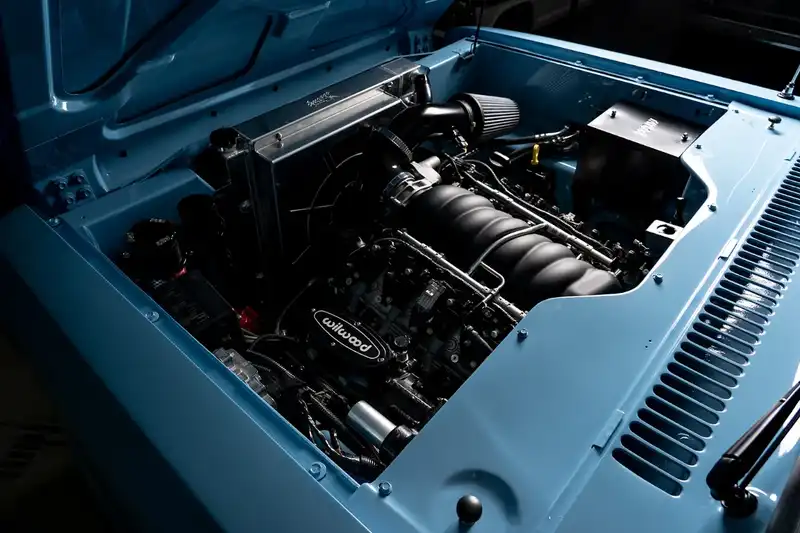 Flip builds rely on shortcuts. Velocity replaces everything—new wiring, new systems, full integration, and real test miles.
- Cosmetic restoration without mechanical restoration (new paint over old filler, reupholstered seats on failing seat frames)
- Old wiring harnesses reused or patched with mismatched connectors
- Suspension components cleaned and painted, not replaced
- Brake and cooling systems upgraded only partially, creating bottlenecks
- Used or unverified engine/transmission components
- Low-cost aftermarket parts chosen for availability — not reliability
- Rust “repaired” with filler, not cut out and replaced
- Minimal test driving, sometimes less than 10 miles
These shortcuts don’t just reduce reliability — they can create safety hazards, and they will almost always surface after the sale, costing buyers far more in repairs than a professional build would have cost upfront.
Long-Term Ownership Experience Differences
High-end restomods offer consistent performance, modern drivability, and predictable maintenance. Because components are integrated as a system, everything operates as intended—from throttle response to HVAC performance to road handling. Owners spend their time driving, not scheduling repairs. Resale values remain strong because the vehicle’s engineering and documentation speak for themselves.
Flip builds often begin failing within the first six months of ownership. Electrical gremlins appear; cooling systems overheat in traffic; transmissions slip under load; brakes fade; and suspension components loosen or wear prematurely. Owners slowly realize they didn’t buy a finished restomod, they bought a project.
Dependability is not about luck. It’s about engineering, testing, and quality control — the areas flippers skip.
Why Price Gaps Exist Between Builds That Look Similar
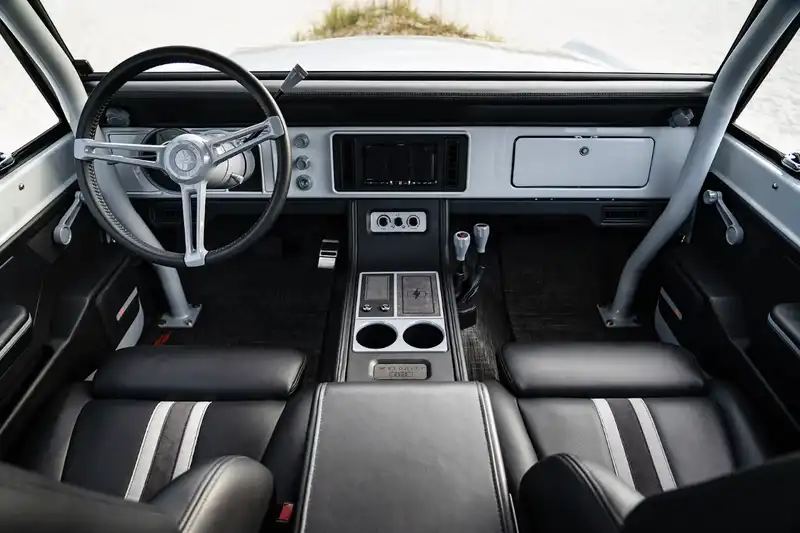 A $30K “restomod” and a $250K build may look alike, but the difference is hidden in the engineering, parts quality, labor hours, and testing.
Here’s what contributes to real pricing differences:
- Labor hours: High-end builds often exceed 1,500–2,000 hours vs. flip builds may take 150–250.
- Parts quality: Name-brand performance systems vs. generic or used parts.
- Fabrication: Custom design and engineering vs. bolt-on installation.
- Testing: Road testing, QC, and dyno validation vs. “it starts, list it for sale.”
- Warranty: Reputable shops back their work vs. flippers who typically sell “as is.”
On the surface, two trucks might look nearly identical. Underneath, the difference can be night and day..
High-End Restomod vs Flip Build: Side-by-Side Comparison
Feature | High-End Restomod (e.g., Velocity) | Flip Build |
Engineering | Complete systems integration designed for modern performance | Basic bolt-on parts, minimal engineering |
Documentation | Full records, testing logs, wiring diagrams | Little to no documentation |
Quality Control | Multi-stage inspections, shakedowns, validation | Checked visually, rarely road-tested |
Components | Premium new components, chassis upgrades, custom fabrication | Mixed new/used parts chosen for cost savings |
Electrical | Professionally built wiring harnesses, protected circuits | Spliced or reused harnesses, inconsistent connections |
Bodywork | Rust removal, metal replacement, precision fitment | Cosmetic filler, fast paint, hidden issues |
Driving Experience | Modern performance, reliability, comfort | Old-car feel, unpredictable behavior |
Ownership Costs | Low long-term maintenance | Frequent repairs, escalating costs |
Resale Value | Strong resale backed by documentation | Soft resale, buyer skepticism |
Price | Reflects engineering, labor, and testing | Reflects cosmetics and speed of build |
Summary
A high-end restomod is far more than a shiny exterior — it’s a fully reengineered vehicle built to deliver safety, reliability, and performance for years to come. Flip builds, while visually appealing, often hide mechanical shortcuts and lack the engineering foundation needed for real-world drivability.
When you invest in a high-end restomod from a builder like Velocity, you’re paying for modern performance, documented quality, long-term dependability, and a vehicle that will retain value. When you buy a flip build, you may simply be buying someone else’s unfinished project.
Leave a Comment
This policy contains information about your privacy. By posting, you are declaring that you understand this policy:
This policy is subject to change at any time and without notice.
These terms and conditions contain rules about posting comments. By submitting a comment, you agree with these rules:
Failure to comply with these rules may result in being banned from submitting further comments.
These terms and conditions are subject to change at any time and without notice.
Comments