
If you spend any time around classic cars or performance builds, you have probably heard the word billet tossed around. Builders talk about billet door handles, billet mirrors, billet gauge bezels, and even billet pulleys. The term sounds tough and high-end, but what does it actually mean? Keep reading to find out
And thanks to Velocity's Twelve Days of Christmas holiday savings event, you can enjoy 15% off all interior kits and billet parts through December 24, 2025!
So What Is Billet?
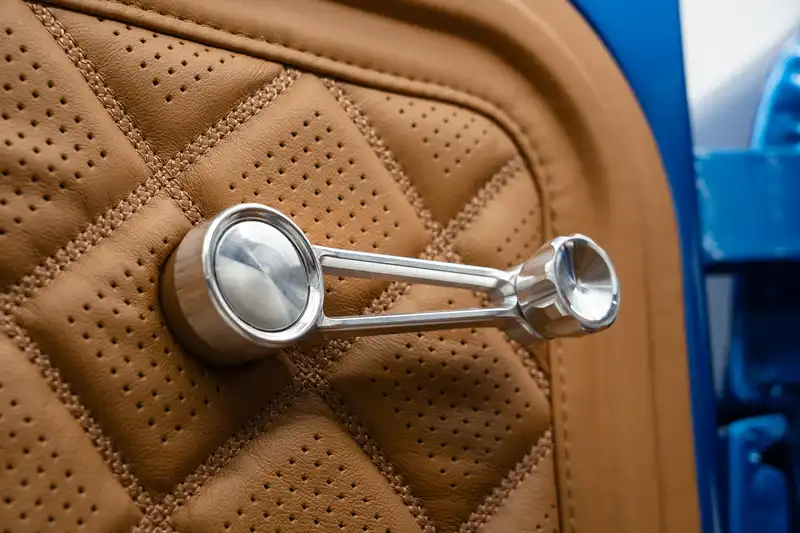 Billet refers to a solid block of metal that gets shaped into a part through machining. Most commonly the block is aluminum, although steel and other metals can be used. Instead of pouring molten metal into a mold, billet parts begin life as a uniform chunk of material that is cut, carved, and refined into a finished piece with precision equipment such as CNC machines.
This process results in excellent structural integrity because the grain of the metal stays consistent throughout the part. There are no air pockets or casting flaws to worry about. That level of predictability is a huge advantage for both function and appearance.
Why Builders Love Billet
 Billet components are known for their strength and tight tolerances. Classic vehicles often suffer from worn hardware, sloppy hinges, or trim pieces that no longer fit the way they should. Replacing them with billet parts brings back crisp operation and longevity that surpasses many original components.
From a performance standpoint, billet aluminum is strong yet relatively lightweight. That combination makes it an ideal material for parts like brackets, pulleys, and other items exposed to stress or vibration. Enthusiasts appreciate the added durability along with the custom look that billet brings to an engine bay or interior.
Then there is style. Machined metal has a clean, refined appearance that catches the light beautifully. Builders can choose polished, brushed, anodized, or coated finishes, allowing billet pieces to complement everything from a show-grade restoration to a pro-touring build.
Why the Aftermarket Uses Billet
 Aftermarket manufacturers rely on billet because it gives them the freedom to design parts that were not possible when the vehicle was new. Factory components are usually cast or stamped in huge quantities, which limits complexity. With billet machining, creators can develop unique shapes, deeper textures, and smoother surfaces. That opens the door for small production runs, custom variations, and functional improvements tailored to enthusiasts rather than mass production.
For owners of classic vehicles, this means access to parts that fit better, look sharper, and hold up longer than most original equipment or standard reproductions.
Introducing Velocity’s New Line of Billet Parts
 Velocity has been custom-machining billet accessories for its Re-Engineered Classic builds for years, but now it's stepping into the billet parts world with a new line of premium components crafted for classic builds and custom projects. These parts join Velocity's proven interior kits as options for DIYers and shops alike, and each custom-machined billet component is designed for both beauty and durability, helping elevate your vehicle far beyond stock form.
Here is a taste of what Velocity has created:
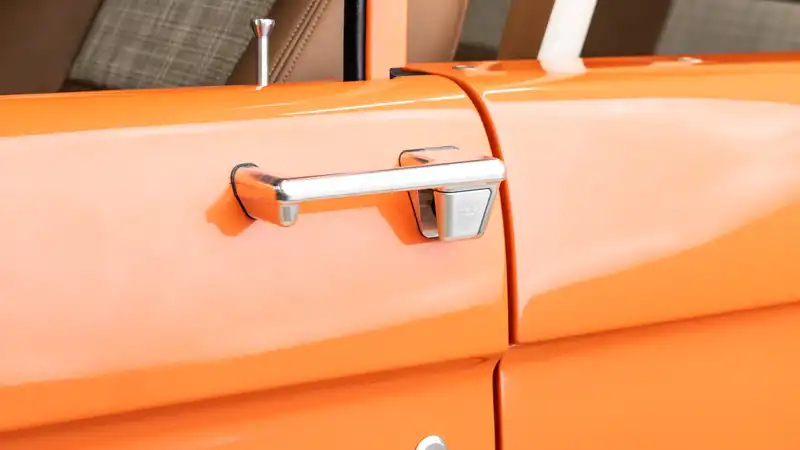
- Billet door handles – Smooth action, crisp lines, and a solid feel that instantly modernizes your interaction with the vehicle.
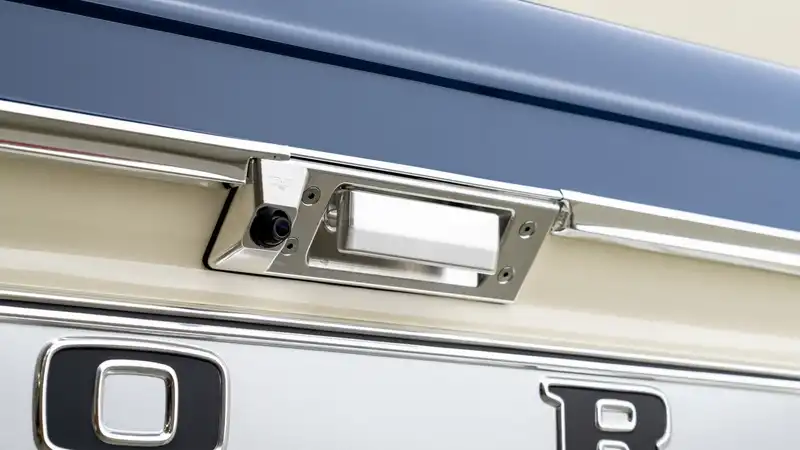
- Billet tailgate handles – Custom handle with integrated backup camera.
- Billet mirrors – Stronger mounting, sharper visibility, and a polished look that suits restorations and restomods alike.
- Billet interior knobs – Small parts make a big difference. These knobs upgrade the tactile experience every time you sit behind the wheel.
- Billet cab clearance lights – Perfect for vintage trucks. These lights combine rugged billet housings with a clean, custom appearance.
And this is only the beginning. Velocity is expanding its parts lineup with new billet accessories that combine function and flair. Each piece is carefully machined, thoughtfully designed, and ready to help your classic stand out.
Whether you are restoring a beloved project or building something wild, billet parts bring precision, longevity, and style to the table. With Velocity’s new line, upgrading your vehicle has never looked better.
FAQs
- What does the term “billet” mean in automotive parts?
In the automotive world, “billet” refers to a solid block of metal, often aluminum, that is machined into a finished part. This process creates components with consistent grain structure, high strength, and precise dimensions. Billet parts are known for reliability, accuracy, and a clean, premium appearance. - Why are billet aluminum parts stronger than cast parts?
Billet aluminum parts maintain a uniform grain structure because they are machined from a single piece of material. Cast parts are created by pouring molten metal into a mold, which can introduce air pockets or slight inconsistencies. The machining process used for billet components results in excellent integrity and predictable performance. - What are the advantages of billet components in classic car restorations?
Billet components offer improved strength, tighter tolerances, and refined aesthetics. They replace worn factory hardware, improve fitment, reduce vibration, and enhance the visual quality of engine bays, interiors, and exterior trim. Builders often choose billet parts to add longevity and a custom, high-end appearance. - How are billet aluminum parts manufactured?
Billet parts begin as a solid block of metal produced through extrusion or continuous casting. CNC machines or skilled machinists shape the block into a precise component by removing material. This approach allows for exact dimensions, smooth surfaces, and complex geometries that casting cannot achieve. - How does billet aluminum compare to forged or cast aluminum?
Billet aluminum excels in precision and finish quality. Forged aluminum offers exceptional strength for high-load components but is limited in shape complexity. Cast aluminum allows mass production of intricate forms at lower cost but may include minor internal irregularities. Billet machining provides the best combination of accuracy, surface refinement, and premium appearance. - Why does Velocity produce billet components in-house?
Velocity manufactures billet parts internally to maintain complete control over quality, fitment, and design. In-house machining allows the engineering team to refine components through multiple iterations, achieve perfect integration with surrounding systems, and create a unified aesthetic throughout every Re-Engineered Classic vehicle. - What billet products does Velocity offer?
Velocity produces a growing range of billet components that includes door handles, mirrors, interior knobs, gauge bezels, brackets, housings, and cab clearance lights. Each part is designed to enhance both mechanical performance and visual appeal. - Why are billet parts popular for restomods and performance builds?
Restomod builders appreciate billet components for their precision, durability, and style. Billet aluminum supports high-performance applications, reduces weight compared to steel, and delivers a premium look that elevates both show-quality builds and daily-driven classics.
Leave a Comment
This policy contains information about your privacy. By posting, you are declaring that you understand this policy:
This policy is subject to change at any time and without notice.
These terms and conditions contain rules about posting comments. By submitting a comment, you agree with these rules:
Failure to comply with these rules may result in being banned from submitting further comments.
These terms and conditions are subject to change at any time and without notice.
Comments