
Classic cars occupy a rare space where passion and investment intersect. Some are preserved in garages and warehouses as rolling history, while others are driven and enjoyed as often as possible. But all represent significant emotional and financial commitment. Whether a car is exercised regularly or stored with care, its value extends far beyond transportation.
When the unthinkable happens—damage, theft, or a total loss—the emotional impact is immediate, but the financial impact depends entirely on how you have your car insured. Too often, classic and collector vehicles are covered by policies that fail to recognize the car's true worth, leaving owners exposed at precisely the wrong moment. That's why it's important to understand the differences between Actual Cash Value, Stated Value, and Agreed Value insurance. It's is essential information to protect what your investment, and to ensure that a catastrophic event does not turn into a lasting financial loss.
It’s also important to understand that insurance outcomes can vary by state. Regulations, policy language, and claim settlement practices differ depending on where a vehicle is insured, making it critical to review both valuation type and fine-print terms before binding coverage. In simple terms, this article explains how classic car insurance works, and why understanding agreed value car insurance, stated car value insurance, and actual cash value coverage is critical for protecting collector vehicles.
Summary: Classic Car Insurance Explained
Classic cars and restomods are both a passion and an investment, making insurance valuation critical. Actual Cash Value (ACV) pays what the insurer determines the car was worth at the time of loss, often using depreciation and adjusted comparable value, which can undervalue modified classics. Stated Value insurance lets owners declare a number, but many policies pay the lesser of the stated amount or ACV. Agreed value car insurance sets the vehicle’s value in advance and typically pays that full amount for a total loss—why agreed value vs stated value and agreed value vs actual cash value comparisons often favor agreed value for high-end collector vehicles.
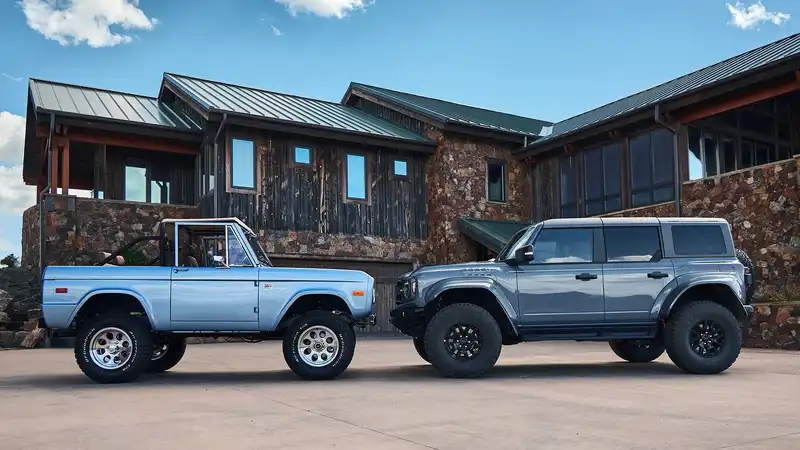 Whether you own a classic vehicle like a vintage Ford Bronco or a modern collector vehicle like the Bronco Raptor, it's important to have the right insurance on your vehicle.
Why Insurance Coverage Choice Matters
Classic cars and restomods are different from your typical new or used vehicle. They do not follow predictable depreciation curves, and their value is often driven by provenance and market demand rather than book values. Choosing the wrong insurance valuation method can result in an insurer treating a rare or bespoke vehicle as a generic example of its model. When that happens, no amount of passion or documentation will recover the difference.
How Actual Cash Value Works
Actual Cash Value (ACV) is the standard valuation method used by most traditional auto insurance policies. Under ACV, the insurer determines what your vehicle was worth at the time of the loss, factoring in depreciation, market conditions, and comparable sales data. This assessment happens after the claim is filed and is largely controlled by the insurer. Insurers often rely on adjusted comparable value, using recent sales of similar vehicles to determine payout—an approach that frequently fails to reflect the true worth of modified or vintage cars. In a total loss scenario, ACV policies determine payout only after the loss occurs, leaving owners dependent on insurer interpretation, market comparables, and depreciation models that rarely favor modified or high-end builds.
For your typical modern daily drivers, ACV is usually the best choice, balancing lower premiums with average valuation. For classic cars, modified vehicles, and restomods, ACV is inherently risky and not recommended since it doesn't account for custom engineering, modern drivetrains, bespoke interiors, and the thousands of hours of skilled labor that define high-end builds.
Actual Cash Value: Pros & Cons
| Pros | Cons |
|---|---|
| Lower premiums | No guaranteed payout amount |
| Widely available | Subject to depreciation |
| Simple to obtain | Poor recognition of modifications |
| Familiar to most agents | High risk of severe undervaluation |
How Stated Value Works
Stated car value insurance allows the owner to declare a value for the vehicle when the policy is written, but it is important to understand what stated value insurance is and what it is not. Many buyers assume this stated number represents what they will receive in the event of a total loss. In reality, that is rarely the case.
Most stated value policies pay the lesser of the stated value or the vehicle’s calculated actual cash value. This means the insurer retains the right to fall back on ACV at claim time. While the stated value may influence premiums, it does not guarantee a payout. For high-value classics, this structure often creates a false sense of security. In a loss scenario, this often becomes a question of stated amount vs actual cash value, with the insurer retaining discretion over the final payout. In practice, many stated value claims become a comparison of stated amount vs actual cash value, where the stated number acts as a ceiling rather than a guaranteed settlement
Stated Value: Pros & Cons
| Pros | Cons |
|---|---|
| Higher stated limits than ACV | Not a guaranteed payout |
| Lower premiums than agreed value | Insurer can default to ACV |
| Flexible at policy inception | Encourages underinsurance |
| Commonly misunderstood | Limited protection for restomods |
How Agreed Value Works
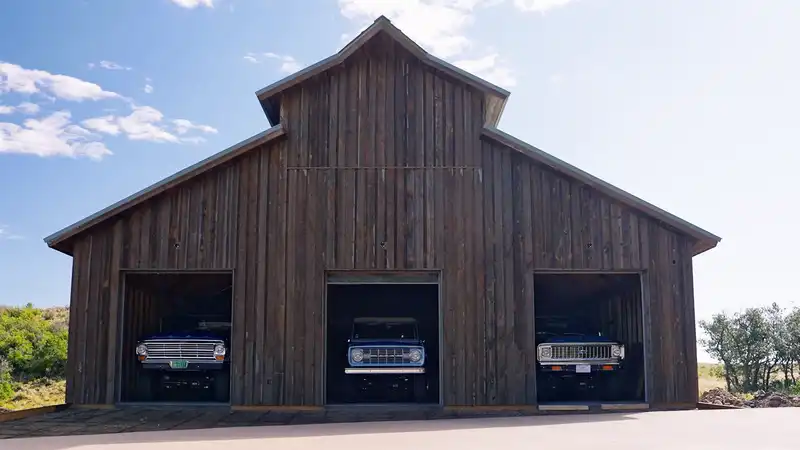 Agreed value car insurance is widely considered the gold standard for classic, custom, and high-value collector vehicles. The difference between agreed value vs actual cash value insurance is that agreed value policies eliminate depreciation and post-loss valuation disputes. With this structure, the owner and insurer determine the vehicle’s value in advance, and that figure is written into the policy. If the vehicle is stolen or declared a total loss, the insurer pays the full agreed amount—no depreciation, no negotiation, and no post-loss valuation disputes.
Agreed value coverage takes modern upgrades, custom fabrication, and other unique elements into consideration, and it aligns the insurance payout with the true financial investment in the vehicle. As expected, though, this type of coverage comes with higher premiums.
Agreed Value: Pros & Cons
| Pros | Cons |
|---|---|
| Guaranteed payout amount | Higher premiums |
| No depreciation | Requires documentation |
| Recognizes modifications and upgrades | May include mileage restrictions |
| Ideal for high-value builds | Requires periodic updates |
Common Insurance Mistakes High-End Buyers Make
Even experienced collectors make costly insurance mistakes. The most common issues include assuming stated value guarantees a payout, relying on outdated appraisals, failing to update the agreed value after major upgrades, and using standard auto policies written for daily drivers rather than collector vehicles. Many owners also overlook mileage limits, storage requirements, and exclusions buried in policy fine print—details that can materially impact coverage at claim time.
Risks of Underinsurance
 Velocity builds are made to be driven. Understanding your auto insurance options will save you headaches and heartaches down the road.
For restomods, the risk is amplified. Engineering upgrades, custom parts, and labor-intensive craftsmanship are rarely visible to traditional insurance models unless they are formally documented and agreed upon in advance. Underinsurance is especially common after significant mechanical upgrades, interior restorations, or modern drivetrain swaps, when build investment increases but policy valuation remains unchanged.
Protecting Your Classic the Right Way
Because agreed value policies provide certainty, insurers typically require a higher level of verification. These requirements are part of the broader benefits of classic car insurance, particularly for owners of vintage classic car insurance policies designed to protect long-term value. Owners should expect to provide professional appraisals, detailed build records, high-quality photography, secure storage arrangements, and confirmation of limited use. These requirements exist to ensure the vehicle is accurately understood and valued before a claim ever occurs.
For owners who intend to drive and enjoy their cars—as Velocity vehicles are meant to be enjoyed—this process is a small price to pay for financial clarity and peace of mind. Owners should also review available riders and add-ons, such as coverage for spare parts, transport, or extended usage, and confirm how mileage limits and storage requirements are enforced. These details can significantly affect both eligibility and payout in a loss scenario.
The Bottom Line
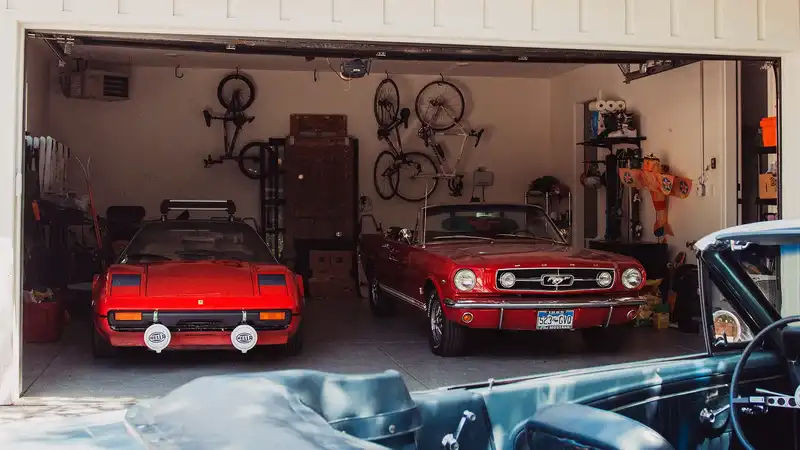 No matter what type of collector vehicle you have or how you use it, make sure you have the correct auto insurance to protect your investment. | Credit: Jakob Rosen via Unsplash
FAQs
What is agreed value insurance?
Agreed value car insurance (also known as agreed value or ACV insurance) is a policy where you and the insurer agree on the vehicle’s value in advance, and that value is written into the policy. If the car is totaled or stolen, the insurer pays the agreed amount without depreciation.
What is stated value insurance?
Stated value car insurance allows you to declare a value for the vehicle when the policy is written, but the insurer typically is not required to pay that full number after a loss. This type of insurance usually takes depreciation into account during payouts.
Agreed value vs stated value: what’s the difference?
With agreed value vs stated value, the key difference is certainty. Agreed value policies typically pay the full agreed amount for a total loss, while stated value policies often pay the lesser of the stated value or the insurer’s calculated actual cash value.
Agreed value vs actual cash value: which is better for classic cars and restomods?
For most high-value classics, restomods, and collector vehicles, agreed value vs actual cash value strongly favors agreed value. Actual Cash Value (ACV) can undervalue modified cars because it relies on depreciation and market comparisons that may not reflect custom upgrades or build investment.
Stated amount vs actual cash value: how do stated value policies pay claims?
In many stated value policies, claim settlement effectively becomes stated amount vs actual cash value, meaning the insurer pays the lesser of the stated amount or the vehicle’s actual cash value at the time of loss—so the stated amount may act as a cap rather than a guarantee.
How does classic car insurance work compared with regular auto insurance?
Classic car insurance policies often use specialized valuation (like agreed value), may include limited-use terms, and can require documentation such as photos, secure storage, and appraisals—unlike regular policies that commonly default to ACV.
What is adjusted comparable value and why does it matter?
Adjusted comparable value is a method insurers may use to estimate a vehicle’s worth by comparing recent sales of similar vehicles, then adjusting for condition and features. For restomods and modified classics, it can miss the true value of custom work and upgrades.
What are the benefits of classic car insurance?
The benefits of classic car insurance can include agreed value options, clearer valuation, coverage designed for collector use, and policy features that better match how enthusiasts own and protect high-value vehicles.
Is vintage classic car insurance different from standard classic car insurance?
Vintage classic car insurance generally refers to collector-focused coverage for older, historically significant, or highly preserved vehicles. The biggest differences are typically eligibility, usage expectations, documentation requirements, and valuation structure (often agreed value).
What is classic car insurance valuation and why is it important?
Classic car insurance valuation is how your insurer determines what your car is worth for claim purposes. It’s important because the valuation method (ACV, stated value, or agreed value) can dramatically change the payout after theft or a total loss.
How do riders, exclusions, and fine print affect classic car insurance payouts?
Policy riders and exclusions can limit or expand coverage beyond valuation alone. Mileage caps, storage requirements, usage restrictions, and add-ons for transport or spare parts all influence whether a claim is approved and how much is paid. Reviewing these details carefully is essential for avoiding surprises during a claim.
Disclaimer: This article is meant to provide general information about car insurance and may not apply to your specific situation. Insurance coverage and requirements vary by need, vehicle, and your location, so be sure to speak with a licensed insurance agent to get accurate and personalized advice before choosing a policy.
Leave a Comment
This policy contains information about your privacy. By posting, you are declaring that you understand this policy:
This policy is subject to change at any time and without notice.
These terms and conditions contain rules about posting comments. By submitting a comment, you agree with these rules:
Failure to comply with these rules may result in being banned from submitting further comments.
These terms and conditions are subject to change at any time and without notice.
Comments