
Across campfires and forums alike, the conversation about overlanding vs off roading has become one of the most popular debates among adventure enthusiasts. Generally speaking, off-roading is a short-term style of adventure that celebrates technical skill, rugged terrain, and the thrill of pushing machines and drivers to their limits. Overlanding, on the other hand, is a different lifestyle centered on remote travel and self-reliance
Knowing the difference between these two adventure styles is essential when building a classic 4x4 that will truly serve the purpose you envision. Whether you’re dreaming of a long-haul trek across wild landscapes in an overlander truck or testing your rig’s mettle on rugged trails with other off-road vehicles, understanding what your vehicle needs is the first step toward a build that’s both capable and meaningful.
No matter which camp (pun intended) you’re in, Velocity has a re-engineered classic ready for any high-end restomod adventure!
What Is an Overlanding Vehicle?
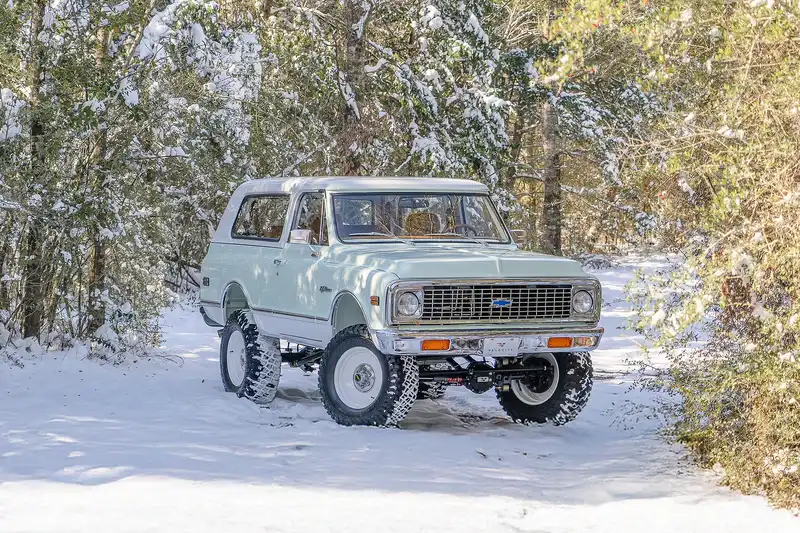 An overlanding vehicle is a self-sufficient 4x4 designed for remote travel, balancing comfort, capability, and storage for extended adventures.
A true overlander 4x4 is designed to be a dependable home on wheels through changing environments. That means a balance of comfort and capability so you can travel through dirt and gravel roads confidently, set up camp without a support crew, and handle unexpected challenges in the wild. It’s about turning your rig into a partner for exploration, not just a machine that clears obstacles.
Overlanding vs Off-Roading: Key Differences That Shape Your Build
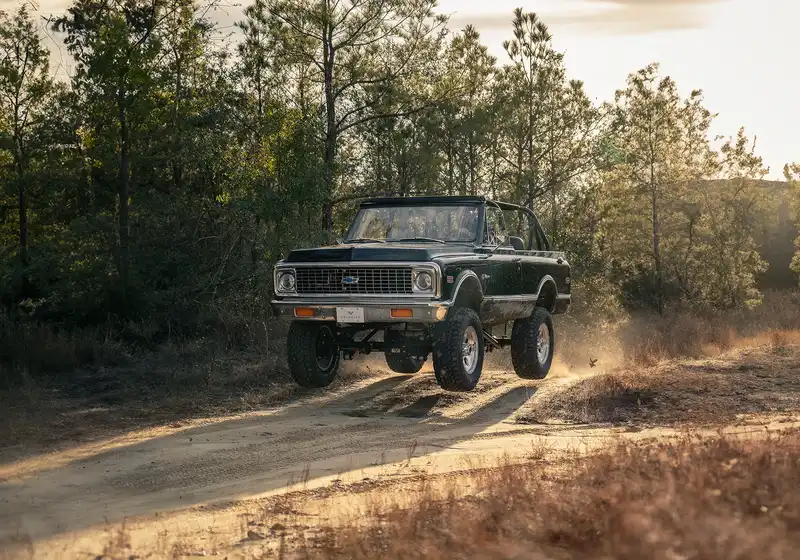 Off-roading tackles technical terrain; overlanding focuses on distance, self-reliance, and the journey.
Overlanding, on the other hand, emphasizes distance and experience. Overlanders may encounter rough stretches of trail, but those moments are part of a much longer narrative: reaching remote valleys, watching sunrise from distant peaks, or finding solitude miles from paved roads. The goal isn’t just driving; it’s exploring, reflecting, and living on the road.
Off-Roading Priorities
Off-roading is about high-clearance obstacles, short bursts of intense terrain, and maximum articulation.
- Maximum traction and articulation over long-distance comfort
- Low-speed crawl power over highway drivability
- Technical terrain capability over cargo space and self-sufficiency
- Reinforced armor and protection over weight savings
Overlanding Priorities
Overlanding calls for balance. While you still need a capable 4x4, the emphasis is on:
- Reliability over raw power
- Ride comfort over extreme articulation
- Fuel efficiency and range over speed
- Storage and weight management over bolt-on accessories
Classic Offroad Vehicles: A Timeless Foundation for Adventure
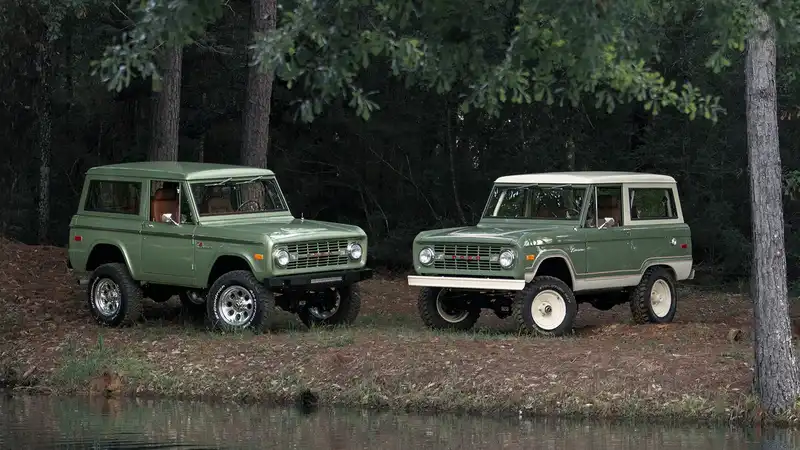 Classic 4x4s offer vintage charm, simple engineering, and modern upgrade potential—making them ideal platforms for true adventure.
Many classic 4x4s deliver a balanced platform that can be improved for both comfort and capability. Authentic character, combined with modern reliability, turns a classic rig into a vessel for real exploration.
How Build Priorities Change: Overlanding vs Trail-Only Rigs
When it comes to building a 4x4, your adventure goals should drive every decision. A rig aimed purely at off roading vehicles competitions might prioritize maximum ground clearance and extreme articulation. But for an overlanding-focused build, those same features could actually hinder long-distance comfort and reliability.
In overlanding builds, suspension tuning favors stability and load handling over dramatic height or travel. Gearing should balance highway cruising and low-speed terrain without sacrificing drivability. And while both off-roaders and overland rigs benefit from robust tires and recovery gear, overlanders also prioritize fuel capacity, water storage, and systems that increase self-sufficiency.
A common trap many enthusiasts fall into is creating an overbuilt but underused rig — one packed with extreme hardware that never gets fully utilized, yet weighs the vehicle down and complicates repairs. A thoughtful approach considers what you’ll actually do on your trips, not just what looks impressive.
Why Velocity-Built Classic 4x4s Are Made for Real Adventure
This is where Velocity’s approach to classic 4x4s stands out. Instead of simply modernizing old rigs with trendy bolt-ons, Velocity completely re-engineers each platform from the ground up. The process addresses the biggest challenges of classic off-road trucks like suspension tuning, driveline reliability, cooling efficiency, braking performance, and weight balance. The result is a vintage 4x4 that feels as confident on a cross-country journey as it does on dirt, sand, or rocky passes.
And with a full line of vintage trucks and SUVs, from the classic Ford Bronco and Chevy K5 Blazer to the International Scout, Chevy K10, and Ford F-Series, Velocity builds with intention so you can explore without compromise.
Final Thought
Whether you’re exploring the nuances of overlanding vs off roading, dreaming of distant horizons, or tinkering with your next build idea, remember this: the best rig is the one that serves your adventure goals, not someone else’s checklist.
Classic 4x4s, when thoughtfully engineered and purpose-built, can be the perfect companions for those once-in-a-lifetime journeys. With the right approach to building a 4x4, you’ll have a vehicle that transforms every drive into a journey.
Leave a Comment
This policy contains information about your privacy. By posting, you are declaring that you understand this policy:
This policy is subject to change at any time and without notice.
These terms and conditions contain rules about posting comments. By submitting a comment, you agree with these rules:
Failure to comply with these rules may result in being banned from submitting further comments.
These terms and conditions are subject to change at any time and without notice.
Comments