
Buyers researching classic cars today often arrive at one key question: are restomods worth it? Search results for “how much does a restomod cost,” “how much does it cost to restore a car,” or “how much does it really cost to build a restomod” usually focus on upfront price alone, but experienced owners know that the true value of a restomod is revealed over years of ownership—not just at the time of purchase.
When evaluated through long-term usability, reliability, maintenance, and overall enjoyment, professionally built restomods consistently deliver exceptional ownership value. Understanding why requires looking beyond initial cost and examining total cost of ownership in real-world conditions.
How Much Does a Restomod Cost vs Long-Term Enjoyment
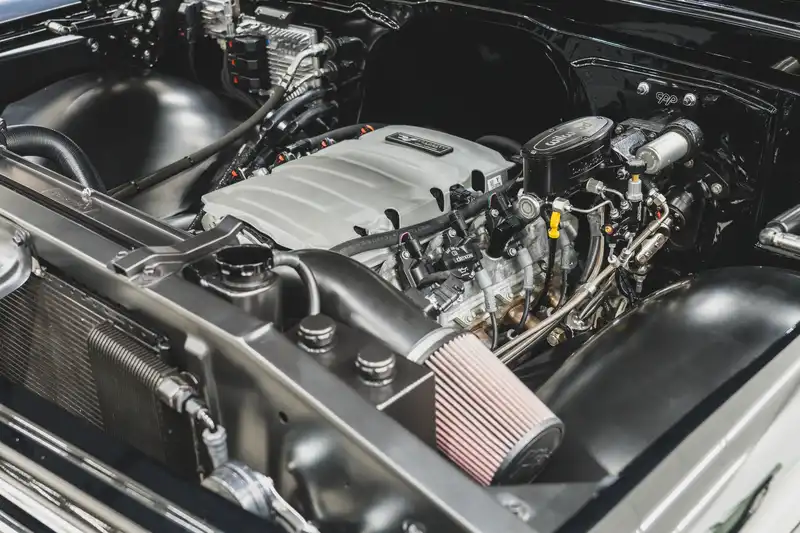 Restomods cost more upfront, but deliver more enjoyment—built to be driven often, not stored away.
That investment directly translates into increased usage. While many stock classics remain garage-kept and see limited annual mileage, high-quality restomods are designed to be driven regularly—often thousands of miles per year. When ownership value is measured in enjoyment, usability, and miles driven rather than time spent preserving originality, restomods consistently justify their cost.
Cost to Build a Restomod vs Average Restoration Cost Classic Cars
Buyers frequently compare the cost to build a restomod against the average restoration cost classic cars. When evaluating how much does it cost to restore a car versus modernizing one, traditional restorations may appear more affordable initially, but they often carry long-term ownership tradeoffs.
Restomods, by contrast, are designed for reliability and predictability. Modern engines and transmissions reduce maintenance intervals, replacement parts are readily available, and drivability is consistent across climates and conditions. When buyers ask how much does it cost to restore a car versus modernizing one, the long-term ownership experience often becomes the deciding factor.
Reliability and Total Cost of Ownership
One of the clearest answers to are restomods worth it lies in reliability. Professionally built restomods eliminate many of the mechanical limitations inherent in stock classics. Improved cooling, modern fuel delivery, updated electrical systems, and contemporary braking dramatically reduce breakdowns and unexpected repairs.
From a total cost of ownership perspective, this reliability matters. While how much does it really cost to build a restomod may be higher upfront, owners often spend less over time on repairs, tuning, and downtime. Fewer surprises mean more driving—and fewer frustrating ownership moments.
How Quality Restomod Builds Hold Value Over Time
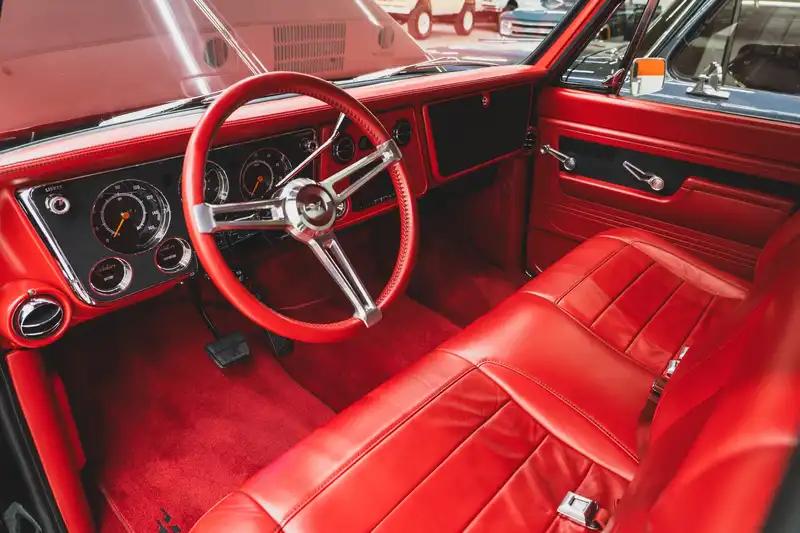 Restorations cost less upfront. Restomods win long term with reliability, easier maintenance, and real drivability.
Liquidity is also an advantage. Well-documented, professionally executed builds are often easier to sell than heavily original or partially restored cars because buyers clearly understand what they are purchasing. Tasteful customization, proven components, and thoughtful engineering help restomods maintain broad market appeal.
Financing, Insurance, and Regulatory Considerations
Ownership practicality further strengthens the restomod value proposition. Financing is often more accessible for completed, professionally built vehicles than for in-progress restorations. Lenders understand how much does it cost to build a custom car and can properly evaluate finished vehicles.
Insurance is similarly straightforward. Agreed-value policies typically reflect actual build cost, offering clear protection. Regulatory compliance—emissions, inspections, and registration—is also easier to manage when vehicles are built with modern systems, increasing usability and preserving long-term ownership confidence.
Miles Driven Per Year vs Garage-Kept Originals
 Garage-kept classics are preserved. Restomods are driven—built with modern comfort and performance to be enjoyed, not just admired.
When buyers compare how much does a restomod cost to how much does it cost to restore a car, the ability to fully enjoy the vehicle year after year often outweighs initial price differences. Restomods are built to be experienced, not just admired.
Who Restomods Are Designed For
So, are restomods worth it? For buyers who want to drive their classic regularly, travel confidently, and enjoy modern reliability without sacrificing iconic design, restomods are an ideal solution. They are particularly well-suited for owners who value comfort, safety, and consistent performance.
For collectors focused strictly on originality or concours judging, a traditional restoration may still make sense. But for enthusiasts who want a classic car that fits seamlessly into modern life, the cost to build a restomod consistently delivers long-term satisfaction.
Final Thoughts: A Practical Approach to Classic Ownership
When buyers ask how much does a restomod cost, they’re often only considering the purchase price. The more meaningful evaluation looks at long-term maintenance, reliability, usability, financing, insurance, and—most importantly—how often the vehicle is actually driven.
Viewed through that lens, restomods offer one of the most balanced and rewarding ownership experiences in the classic car world. They combine timeless design with modern performance, turning classic ownership from a compromise into a confident, enjoyable investment—year after year and mile after mile.
Leave a Comment
This policy contains information about your privacy. By posting, you are declaring that you understand this policy:
This policy is subject to change at any time and without notice.
These terms and conditions contain rules about posting comments. By submitting a comment, you agree with these rules:
Failure to comply with these rules may result in being banned from submitting further comments.
These terms and conditions are subject to change at any time and without notice.
Comments