
Rust Is the Silent Threat to Every Classic Truck
No matter how iconic the badge or how flawless the paint, every classic truck faces the same long-term enemy. Corrosion.
If you are researching how to rust proof a truck, you are already thinking beyond appearance. You are thinking about longevity, structural integrity, and protecting value.
Truck rust prevention is not a final step in a restoration. It is a foundational part of the build process. When done correctly, rust prevention for trucks is engineered into the vehicle from bare metal forward.
For serious collectors, that distinction matters.
Where Rust Typically Starts on Classic Trucks
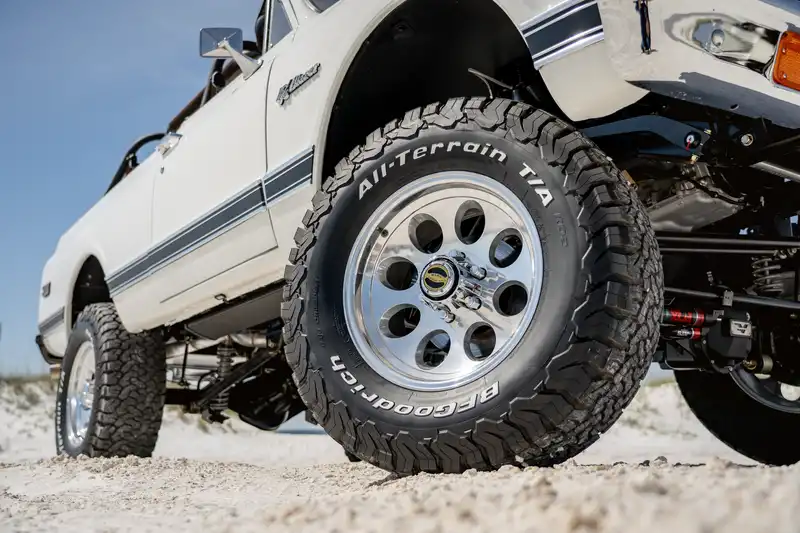 Rust on classic trucks often starts in cab corners, rocker panels, floor pans, and frame rails where moisture collects.
Cab corners and rocker panels
Moisture collects inside boxed sections and factory seams. Corrosion often begins internally before becoming visible.
Floor pans
Old seals, condensation, and trapped insulation allow water to sit directly against steel.
Frame rails and crossmembers
Constant exposure to debris and water makes surface rust common and often overlooked during cosmetic restorations.
Wheel wells and inner fenders
Road spray accelerates oxidation in these high-impact areas.
Bed supports and tailgates
Improper drainage and untreated internal cavities lead to long-term structural weakness.
If you want to know how to keep a truck from rusting, these are the areas that require attention first.
Rust-Proofing vs Undercoating
Many owners assume undercoating equals protection. It does not.
Undercoating provides a barrier against debris and reduces road noise. True truck rust prevention goes much deeper.
Proper rust prevention for trucks includes:
- Removing existing corrosion completely
- Stripping to bare metal where necessary
- Sealing steel with epoxy primer
- Re-sealing factory seams
- Treating internal cavities with protective coatings
- Applying durable chassis finishes to the frame
If you are trying to understand how to prevent rust under a truck, preparation is everything. Applying thick coatings over untreated corrosion traps moisture and accelerates decay.
Rust-proofing is not about covering rust. It is about eliminating and sealing it properly.
What Professional Rust Prevention Looks Like During a Premium Build
The most effective way to rust proof a truck begins before paint and before assembly.
At a professional level, classic car rust treatment includes:
Complete metal preparation
Media blasting or chemical stripping removes corrosion and contaminants down to clean steel.
Epoxy primer application
Epoxy primer creates a moisture-resistant seal that protects against future oxidation.
Seam sealing and structural inspection
Factory seams are cleaned and resealed to prevent water intrusion at weak points.
Frame refinishing
High-durability coatings protect against chips, debris impact, and long-term surface rust.
Internal cavity protection
Doors, rockers, and boxed frame sections are treated internally to prevent corrosion where it cannot be seen.
At Velocity, rust prevention is engineered into every build from the metal stage forward. It is not applied at the end. It is built into the process.
That level of truck rust prevention is invisible once the vehicle is complete. It is also one of the most important contributors to long-term durability and value.
View current inventory engineered for longevity
Climate Impact and Long-Term Rust Management
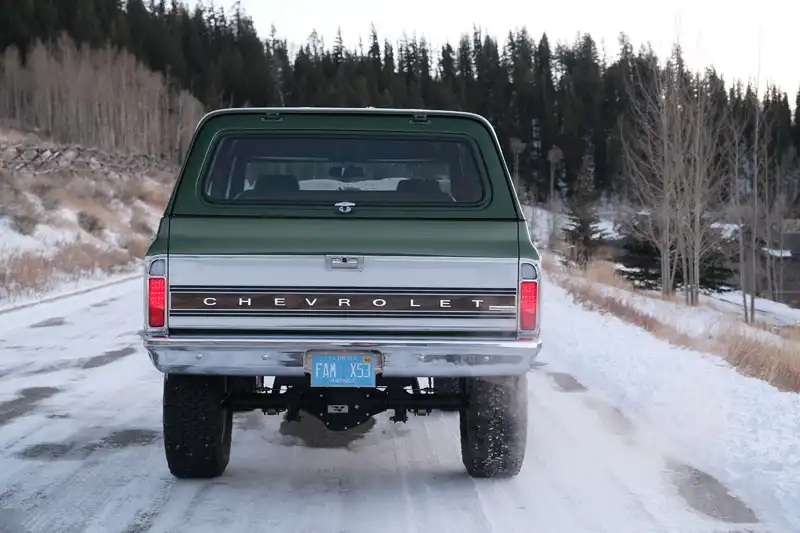 Northern climates often expose vehicles to road salt, which can accelerate corrosion.
Climate plays a significant role:
- Coastal environments introduce salt air corrosion.
- Northern regions expose vehicles to road salt.
- Humid climates accelerate surface oxidation year-round.
If you are serious about how to keep a truck from rusting long term, maintenance matters.
Recommended long-term truck rust prevention practices include:
- Regular undercarriage cleaning
- Annual inspections of frame and suspension components
- Keeping drain holes clear
- Storing vehicles in controlled environments when possible
Rust management is not a one-time event. It is part of responsible ownership.
Why Rust Protection Directly Impacts Long-Term Value
Buyers today inspect beyond paint quality. Frame condition, structural integrity, and underbody protection heavily influence resale value.
Poor rust management leads to:
- Compromised safety
- Expensive structural repairs
- Reduced collector confidence
- Lower resale values
A properly executed classic car rust treatment combined with professional rust prevention for trucks helps preserve both performance and long-term investment value.
Premium builds protect what you cannot see.
What Buyers Should Inspect Before Purchasing a Classic Truck
If you are evaluating a truck, look deeper than the exterior finish.
Inspect:
- Frame rails for scaling or flaking rust
- Cab mounts for corrosion
- Floor pans beneath carpet
- Inner wheel wells
- Bed supports and crossmembers
- Undercoating consistency and application quality
Ask specific questions about how the truck was restored. Was it stripped to bare metal? Was epoxy primer used? Were internal cavities treated?
Understanding how to rust proof a truck allows you to assess whether it was done correctly before you buy.
Frequently Asked Questions About Truck Rust Prevention
The Bottom Line
Learning how to rust proof a truck is about more than applying a product. It is about engineering, preparation, and long-term protection.
Truck rust prevention begins during the build process and continues through ownership. Done correctly, it preserves structural integrity, enhances reliability, and protects long-term value.
For serious collectors and enthusiasts, rust management is not optional. It is a defining characteristic of a premium classic truck.
Leave a Comment
This policy contains information about your privacy. By posting, you are declaring that you understand this policy:
This policy is subject to change at any time and without notice.
These terms and conditions contain rules about posting comments. By submitting a comment, you agree with these rules:
Failure to comply with these rules may result in being banned from submitting further comments.
These terms and conditions are subject to change at any time and without notice.
Comments