
If you’re looking to buy a classic Ford Bronco, you’re not alone and you’re not early or late to the market. You’re right on time.
The 1966–1977 Bronco has become one of the most sought-after classic 4x4s in the world. But before you decide whether to restore one, buy one already built, or invest in a restomod, there’s a more important first step:
Understanding what you’re actually buying and why it matters.
This 1966–1977 Ford Bronco buying guide is designed to help you make a confident decision from the very beginning so you don’t just end up with a Bronco, you end up with the right one.
Why the Early Ford Bronco Became So Valuable
The early Bronco wasn’t built to be rare. It became rare by accident.
Originally introduced in 1966 as a compact, no-frills utility vehicle, the Bronco was designed to compete with the Jeep CJ and International Scout. It was simple, capable, and easy to modify, but not particularly luxurious.
Fast forward 50 years, and that simplicity is exactly what makes it so valuable.
Why demand for Classic Ford Broncos has surged:
- Timeless, unmistakable design
- Short wheelbase with real off-road capability
- Massive aftermarket support
- Cultural relevance (from ranches to beach towns to collector garages)
- Limited supply of clean, original examples
As demand increased, so did expectations. Today’s buyers don’t just want nostalgia, they want drivability, reliability, and refinement.
Explore available Broncos ready for immediate delivery and see what’s possible today.
Understanding the Model Years (1966–1977)
If you’re researching how to buy a classic Bronco, understanding the differences between model years is essential.
1966–1968: The Purest Form
- Minimalist interiors
- Inline-six engines standard
- No frills, highly analog driving experience
Best for: purists and collectors who value originality over comfort
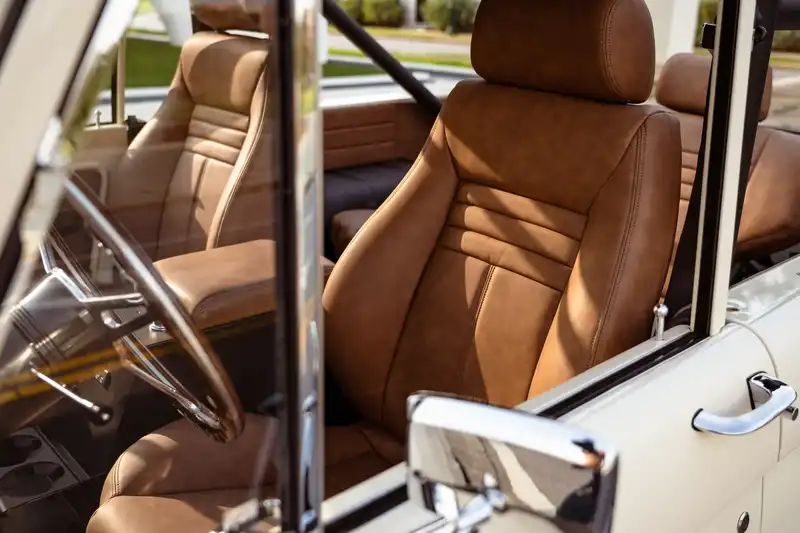 Velocity Broncos honor that simplicity—refined with modern craftsmanship and purposeful design.
1969–1972: The Sweet Spot
- Introduction of the 302 V8
- Improved drivability
- Retains classic styling with better performance
Best for: buyers who want vintage feel with more usable power
1973–1977: The Most Refined Classics
- Front disc brakes introduced (1976–1977)
- Power steering and automatic transmission options
- Slightly more comfort and usability
Best for: those who want a more approachable classic driving experience
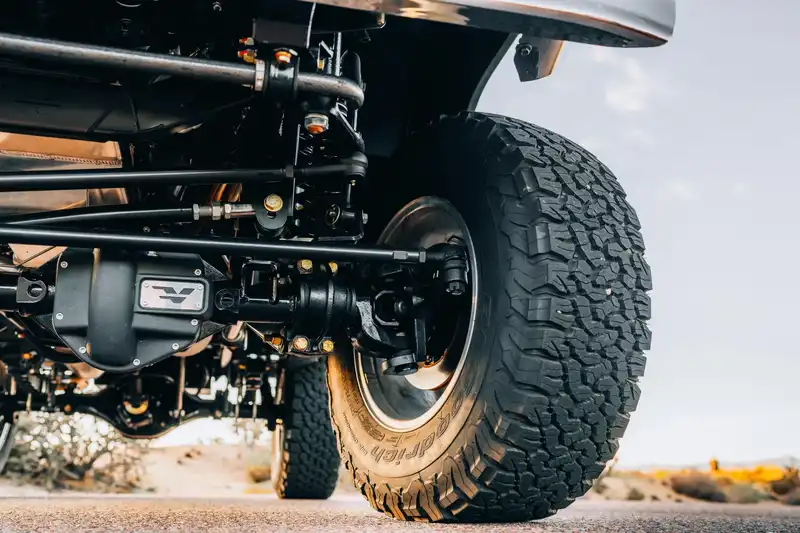 Modern brakes, power steering, and automatic transmission make Velocity Broncos smoother, more comfortable, and easy to drive.
Build the Bronco of your dreams
What This Means for Buyers
When deciding what to look for when buying a Bronco, the model year impacts:
- Performance potential
- Upgrade requirements
- Overall cost to build or restore
What to Look for When Buying a Bronco and The Real Risks
If you take nothing else from this 1966–1977 Ford Bronco buying guide, take this:
Condition matters more than year.
Here’s what to inspect carefully when evaluating any Bronco for purchase.
Rust: The #1 Issue
Early Broncos are notorious for rust. And not all rust is visible.
Common rust areas:
- Floor pans
- Door posts and striker posts
- Rocker panels
- Inner fenders
- Tailgate
- Frame rails
Surface rust is manageable. Structural rust is expensive—and sometimes not worth fixing.
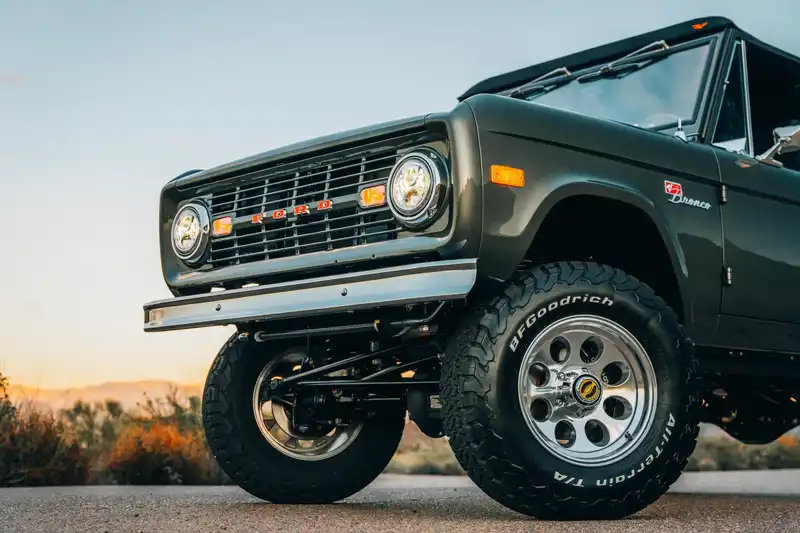 Velocity Broncos are built to resist rust with stainless components and modern coatings.
Frame & Structural Integrity
A Bronco’s value is only as strong as its foundation.
Watch for:
- Frame cracks or repairs
- Poor welds or patchwork
- Signs of previous accidents or off-road damage
A compromised frame can turn a dream purchase into a never-ending project.
Drivetrain & Mechanical Issues
Original Broncos weren’t built for modern performance expectations.
Common concerns:
- Worn engines or transmission slippage
- Outdated braking systems
- Steering play and suspension fatigue
If you’re learning how to buy a classic Bronco, understand this:
Most original systems will need upgrading if you plan to drive it regularly.
See how Velocity re-engineers every Bronco to eliminate the most common issues buyers face.
Original vs Restored vs Restomod
One of the biggest decisions you’ll make when you buy a classic Ford Bronco is what type of Bronco to buy.
Original Broncos
- As close to factory condition as possible
- Lower upfront cost (sometimes)
- Higher long-term investment to maintain or upgrade
Best for: collectors and purists
Restored Broncos
- Rebuilt to original or near-original condition
- Improved aesthetics, but often still limited in performance
Best for: those who want classic looks with some reliability
Restomod Broncos (Re-Engineered Classics)
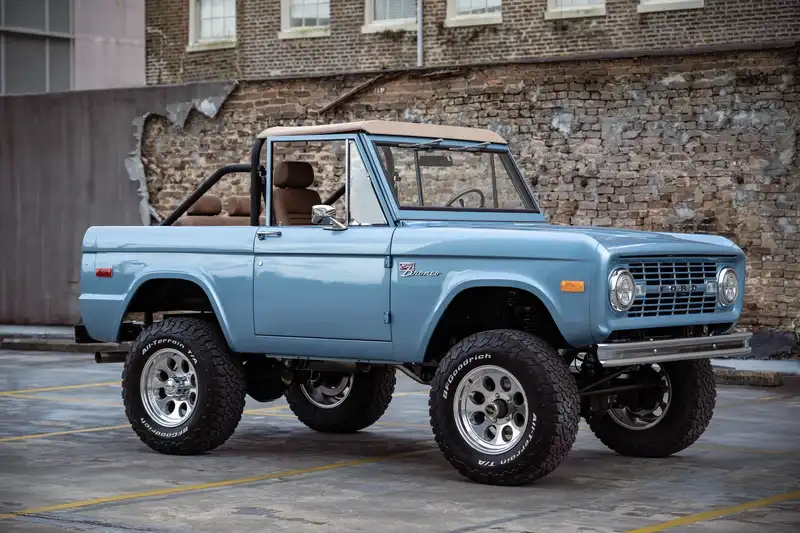 Fully re-engineered for modern driving—the Velocity Classic Ford Bronco is built to be driven, not just admired.
- Classic design and modern chassis, powertrain, suspension, and technology
- Built for real driving not just display
Best for: buyers who want the Bronco experience without compromise
Cost Ranges in Today’s Market
Understanding pricing is critical when deciding how to buy a classic Bronco.
Typical ranges:
- Project Bronco: $20,000–$60,000
- Restored Bronco: $80,000–$180,000
- High-end restomod: $250,000–$500,000
What drives the price?
- Quality of the build
- Engineering (not just appearance)
- Parts and materials
- Who built it and how they did it
A lower-priced Bronco often becomes more expensive over time.
Should You Restore or Buy a Classic Ford Bronco Already Built?
This is where most buyers get stuck.
On paper, restoring a Bronco sounds appealing. In reality, it’s rarely the simpler or more cost-effective option.
Restoring a Bronco
Pros:
- Full control over the build
- Emotional connection to the process
Cons:
- Long timelines (often 12–24+ months)
- Unpredictable costs
- Difficulty sourcing parts and skilled labor
Buying One Already Built
Pros:
- Immediate enjoyment
- Known quality (if built by a reputable shop)
- No surprises in timeline or cost
Cons:
- Higher upfront investment
The Reality
Most buyers who start with a restoration eventually wish they had purchased a completed build, especially after experiencing delays, escalating costs, and inconsistent workmanship.
What Makes a Well-Engineered Bronco
Not all builds are created equal.
If you’re serious about what to look for when buying a Bronco, this is where the difference becomes clear.
A well-engineered Bronco isn’t just restored, it’s rethought.
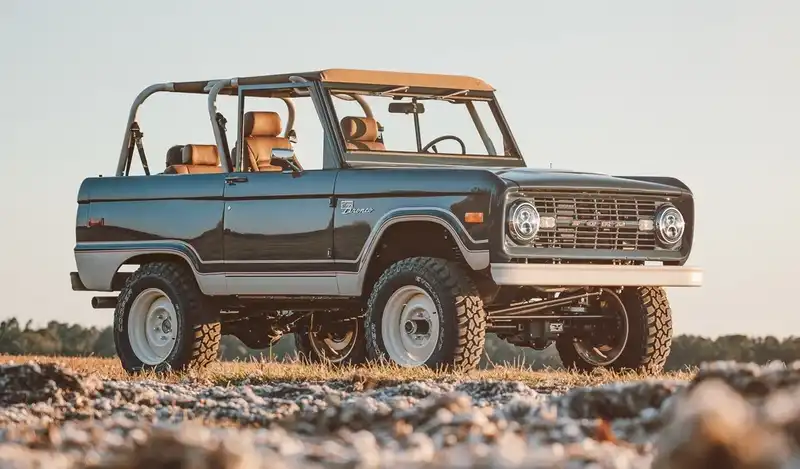 Not all Broncos are equal. The best aren’t just restored—they’re re-engineered, where every system works together seamlessly.
Key markers of a high-quality build:
- Modern chassis integration for strength and ride quality
- New powertrain and transmission designed for reliability
- Refined suspension and steering systems
- Fully updated electrical architecture
- Consistent craftsmanship across every detail
The biggest difference?
Cohesion. Everything works together seamlessly.
That’s what separates a $120K Bronco from a $300K+ build.
What Makes a High End Bronco Worth $300K
Questions Every Buyer Should Ask
Before you commit to any purchase, ask these:
- What work has been done and by whom?
- Is there documentation of the build or restoration?
- Has the frame been repaired or replaced?
- What modern upgrades have been integrated?
- How does it drive at highway speeds?
- What support or warranty is included?
These answers will tell you more than the listing ever will.
Final Thoughts: Buy With Clarity, Not Just Emotion
The early Bronco is one of the most rewarding vehicles you can own, but only if you buy wisely.
The goal isn’t just to buy a classic Ford Bronco. It’s to buy one that delivers on everything the Bronco promises without compromise.
Ready to take the next step?
Explore available builds or start designing a Bronco that’s engineered for how you actually want to drive.
Leave a Comment
This policy contains information about your privacy. By posting, you are declaring that you understand this policy:
This policy is subject to change at any time and without notice.
These terms and conditions contain rules about posting comments. By submitting a comment, you agree with these rules:
Failure to comply with these rules may result in being banned from submitting further comments.
These terms and conditions are subject to change at any time and without notice.
Comments